BILINGUAL FRENCH-ENGLISH or ENGLISH-JAPANESE HIGH SCHOOL
(September 2026)
AT EIFJ TOKYO



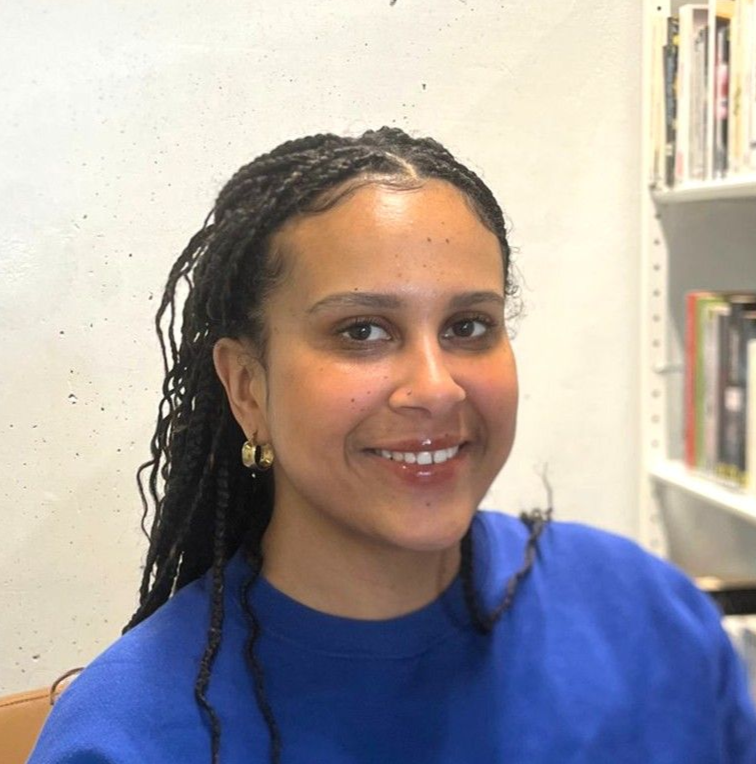

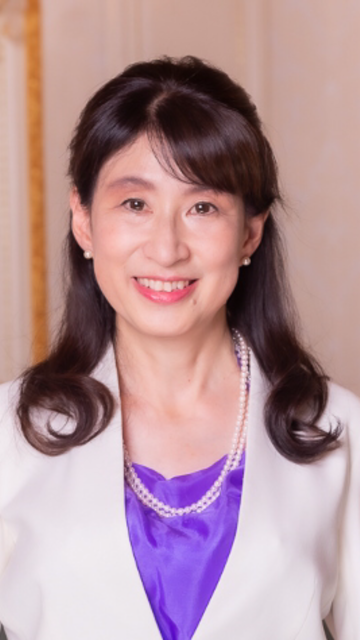




Teaching in French and English, and highly personalized support tailored to each student’s pace, delivered by a committed team dedicated to student success
A French–English bilingual pathway, with Japanese, following the French Ministry of Education curriculum
English-stream pathway with Japanese and/or French, grounded in research-based learning approaches
Aim for official accreditation, ensuring continuity with the primary programme
Open year-round, with full access to all facilities during school holidays
Programme also offered online
For more information about enrolling at EIFJ high school, a tour of the school, and any other inquiries, please contact the administration directly.
EIFJ Tokyo High School delivers the curriculum of the French Ministry of National Education, applies the US Common Core State Standards for English Language Arts, and follows MEXT standards for Japanese language instruction within a coherent and structured educational pathway. With the goal of future accreditation in inquiry-based programmes, this strong academic foundation is enriched by a global approach that fosters curiosity, creativity, and critical thinking. Instruction is delivered by experienced teachers, licensed or not, holding degrees in the subjects they teach.
All 28 hours of weekly instruction are delivered face to face, Monday to Friday from 8:30 to 15:30 (Wednesdays from 8:30 to 12:00). Students use their own laptops or tablets (not provided by the school) for a few hours each day, as learning materials are available both in print and online through PDF documents, exercises, and homework.
This programme can be complemented by a variety of extracurricular activities in Japanese, English, French, art, science, and more, available from 15:45 onwards. In addition, students benefit from a free childcare programme available until 17:30, as well as reduced fees for holiday school programmes throughout the year.
- The Bilingual French-English + Japanese programme follows the French Ministry of Education curriculum and an inquiry-based learning approach, applies the US Common Core State Standards for English Language Arts, and follows MEXT standards for Japanese language instruction. Students benefit from a balanced curriculum with 13 hours of instruction in French and 13 hours in English each week, plus two hours of Japanese (language, history, culture).
- The English programme applies the US Common Core State Standards for English Language Arts, follows the French curriculum for all other subjects, and aligns with MEXT standards for Japanese language instruction. Students receive 23 hours of instruction in English and 3 hours in Japanese each week, with an additional two hours of French. Japanese classes use official MEXT-approved textbooks and learning materials, ensuring that students receive the same high standard of education as in Japanese public schools.
Our curriculum includes: Modern Language, Mathematics, Science, Technology, Physics-Chemistry, Physical Education, Arts (Visual and Musical, Second and Third Languages, History-Geography & Moral and Civic Education.
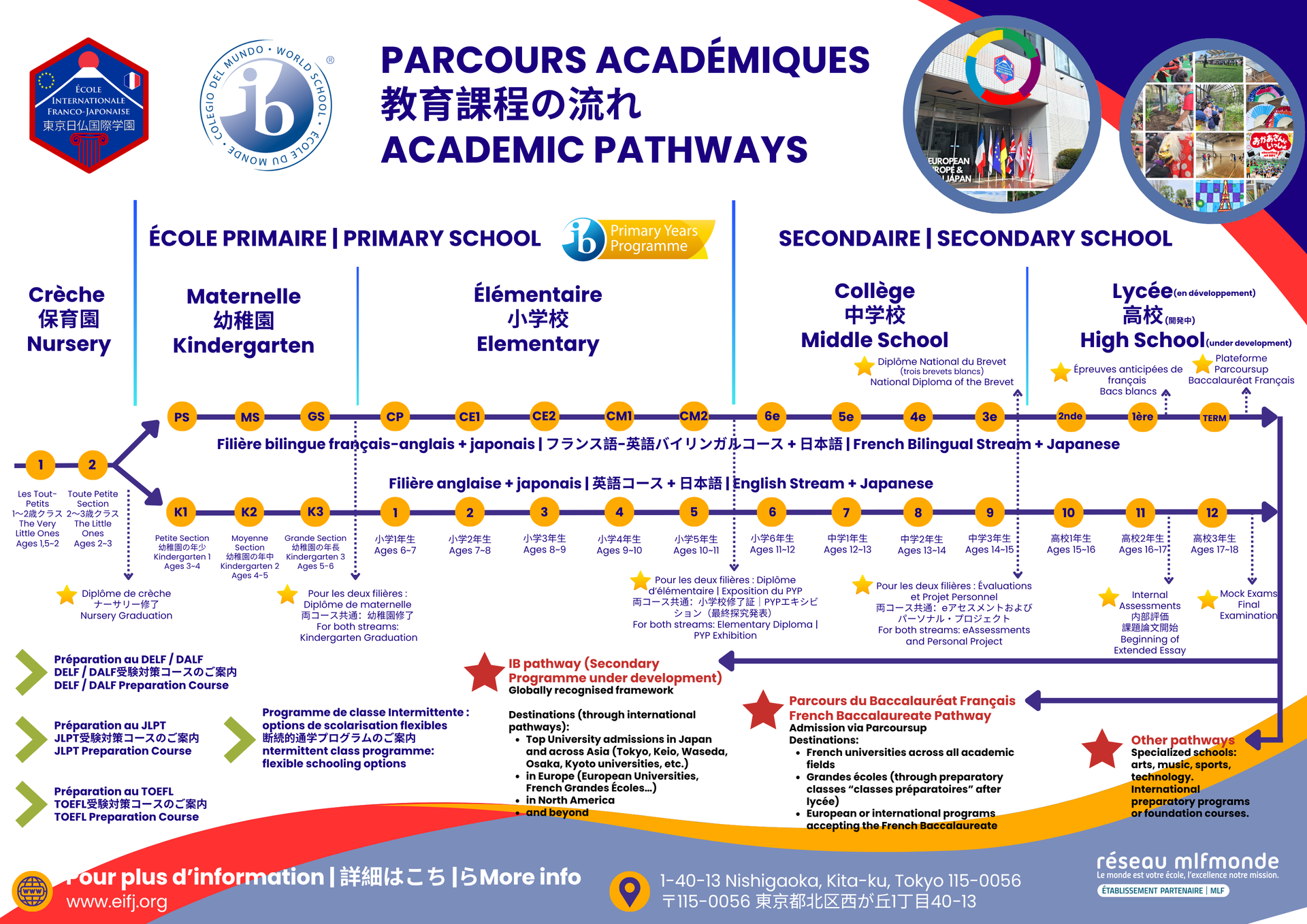
ACADEMIC PATHWAYS
In EIFJ High School, students in the French-English stream prepare for the French Baccalaureate, the official national examination marking the completion of secondary education. They benefit from a rigorous and structured preparation, including several mock exams (bacs blancs) throughout the year as well as regular practice for all examination components. This nationally recognized diploma, accredited by the French Ministry of National Education, provides access to a wide range of higher education pathways in France and internationally.
1 - French Baccalaureate pathway (admission via Parcoursup)
Destinations:
- French universities across all academic fields
- Grandes écoles (via preparatory classes after high school)
- European and international programmes accepting the French Baccalaureate
In the English + Japanese stream, students follow a pathway aligned with IB programmes, in continuity with the Primary Years Programme (PYP) authorized at EIFJ. This pathway includes the beginning of the Extended Essay, mock exams, and a final examination, developing advanced research, analytical, and independent learning skills.
2 - IB pathway (academic framework under development)
Destinations (through international pathways):
- Admissions to leading universities in Japan and across Asia (University of Tokyo, Keio, Waseda, Osaka, Kyoto, etc.)
- Universities in Europe (European universities, French Grandes Écoles, etc.)
- Universities in North America
- And worldwide
3 - Other pathways:
- Specialized schools: arts, music, sports, technology
- International preparatory programmes or foundation courses
Preparation courses for DELF/DALF, JLPT, and TOEFL
Students are also offered targeted preparation courses for internationally recognized language certifications, supporting their academic and future university pathways. These include preparation for the JLPT (Japanese Language Proficiency Test), DELF/DALF (official French language diplomas), and TOEFL (Test of English as a Foreign Language). These courses help students strengthen their language proficiency, gain internationally recognized qualifications, and prepare effectively for future academic and professional opportunities.
2026-2027 CLASSES
- Bilingual French-English class
- English Class
- Japanese language from 6th Grade
- German language from 6th Grade
- Spanish language from 6th Grade
Depending on the increase in the students' headcount, single-grade classes will be created, and additional teachers recruited.
Citizenships of students enrolled in EIFJ programs as of September 2025: French, American, Japanese, Polish, Irish, French-Japanese, French-Chinese, Japanese-Chinese, American-Japanese, Chinese, Mexican, Bulgarian, Taiwanese, Turkish, Senegalese, Korean, Mongolian, Canadian, Australian, Algerian, Vietnamese, Malaysian, Egyptian.
CALENDAR
The annual program is based on the French academic calendar. From Monday to Friday, EIFJ opens at 7:30 am and closes at 8:00 pm (depending on demand and staff availability). EIFJ is closed on Japanese public holidays. Classes are not held during French school holidays, but students can come to EIFJ free of charge and be supervised by te staff. You can view the tuition fees by clicking here.
FACILITIES
- Equipped classrooms
- Meeting room
- Cafeteria
- Science laboratory
- Computer lab
- Middle school library
- Municipal sports gymnasium located a 10-minute walk away
- Rooftop terrace for all activities
- Indoor gymnasium
- Art room
- Music room
AFTER-SCHOOL & SCHOOL HOLIDAY PROGRAMS FOR HIGH SCHOOL STUDENTS
Apart from specific after-school activities in which students may choose to enroll (charged separately), childcare fees do not apply to students from 6th grade onwards. High school students are considered autonomous and are supervised by our team members if they remain on campus after classes for their homework and social interactions. Supervision is available Weekdays: 15:30–18:00, Wednesdays: 12:30–18:00. After these times, supervision depends on team availability and demand.
During school holidays (Toussaint, Christmas, Winter, Easter, and Summer), EIFJ High School welcomes students:
- Students from EIFJ and other schools are welcome for a fee of 1,100 yen per day.
- EIFJ provides a calm, studious, and comfortable environment, offering access to computers, the library, the gym, the cafeteria, educational games, and more. While students enjoy autonomy, they remain under the supervision of EIFJ educational assistants at all times., including during possible field trips.
- Independent study and revision are encouraged, and students may bring their own school materials. Depending on student needs and staff availability, academic support may also be offered in various subjects such as mathematics, languages, science, and history-geography.
- The program is designed as a flexible, social, and enriching space where students can study, relax, play, and engage in sports and water activities in a safe and welcoming atmosphere, without a structured curriculum. It is an ideal opportunity for friends to meet, collaborate, and learn together in a dynamic and supportive setting.
SPECIFIC INFORMATION RELATING TO THE EDUCATION PATH OF JAPANESE AND MIXED JAPANESE STUDENTS
Students’ transfers from EIFJ Tokyo to elementary, middle and high school in Japan are possible for those who wish. The double enrollment of Japanese or binational elementary students in a Japanese school and EIFJ Tokyo is recommended to comply with the education law, and equivalency is allowed through a close and permanent contact between the Japanese school and EIFJ Tokyo.
Post-Baccalaureate Pathways: Partnerships of Excellence and Direct Access
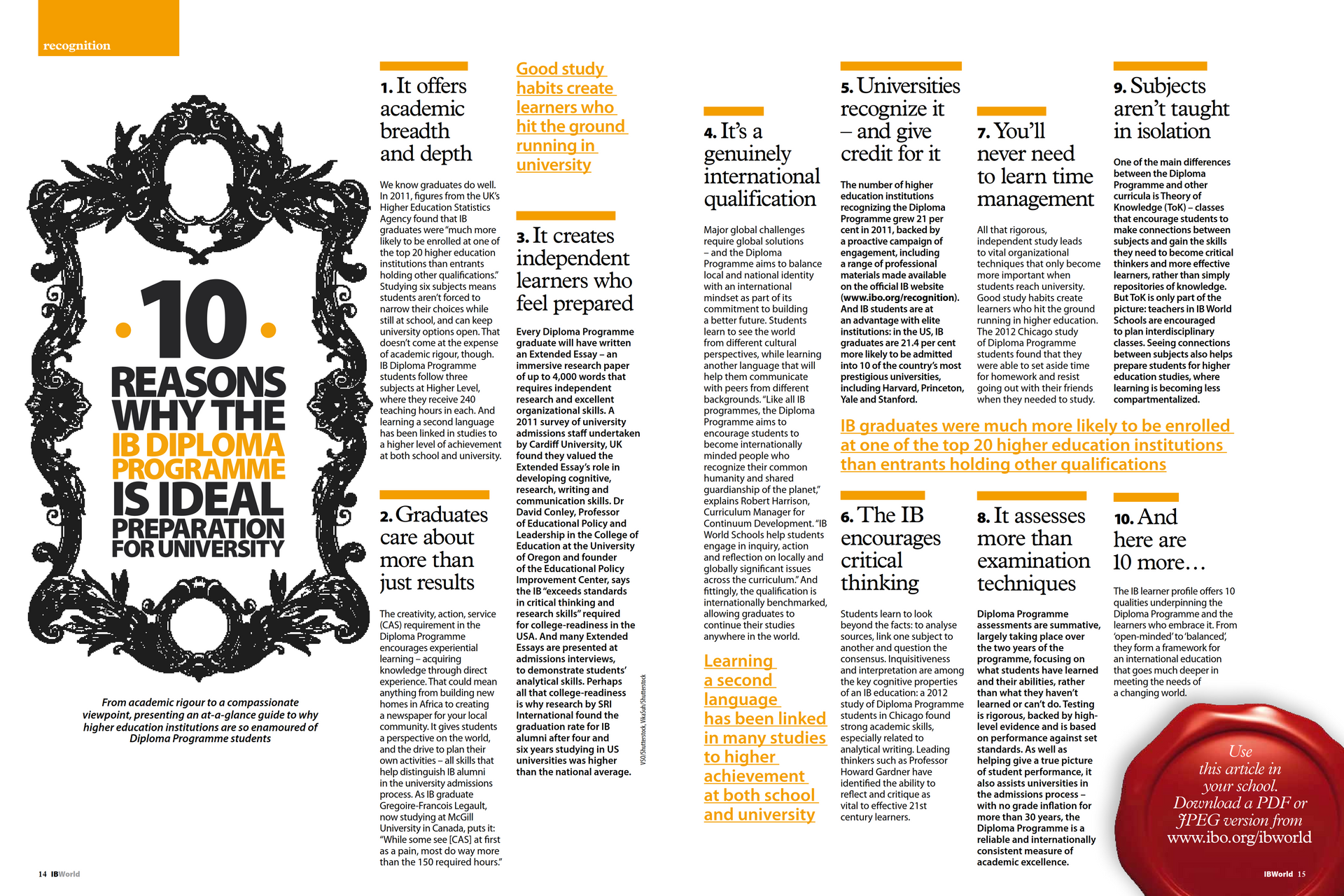
From academic rigour to a compassionate viewpoint, presenting an at-a-glance guide to why higher education institutions are so enamoured of Diploma Programme students
10 reasons why why the IB diploma programme is ideal preparation for university
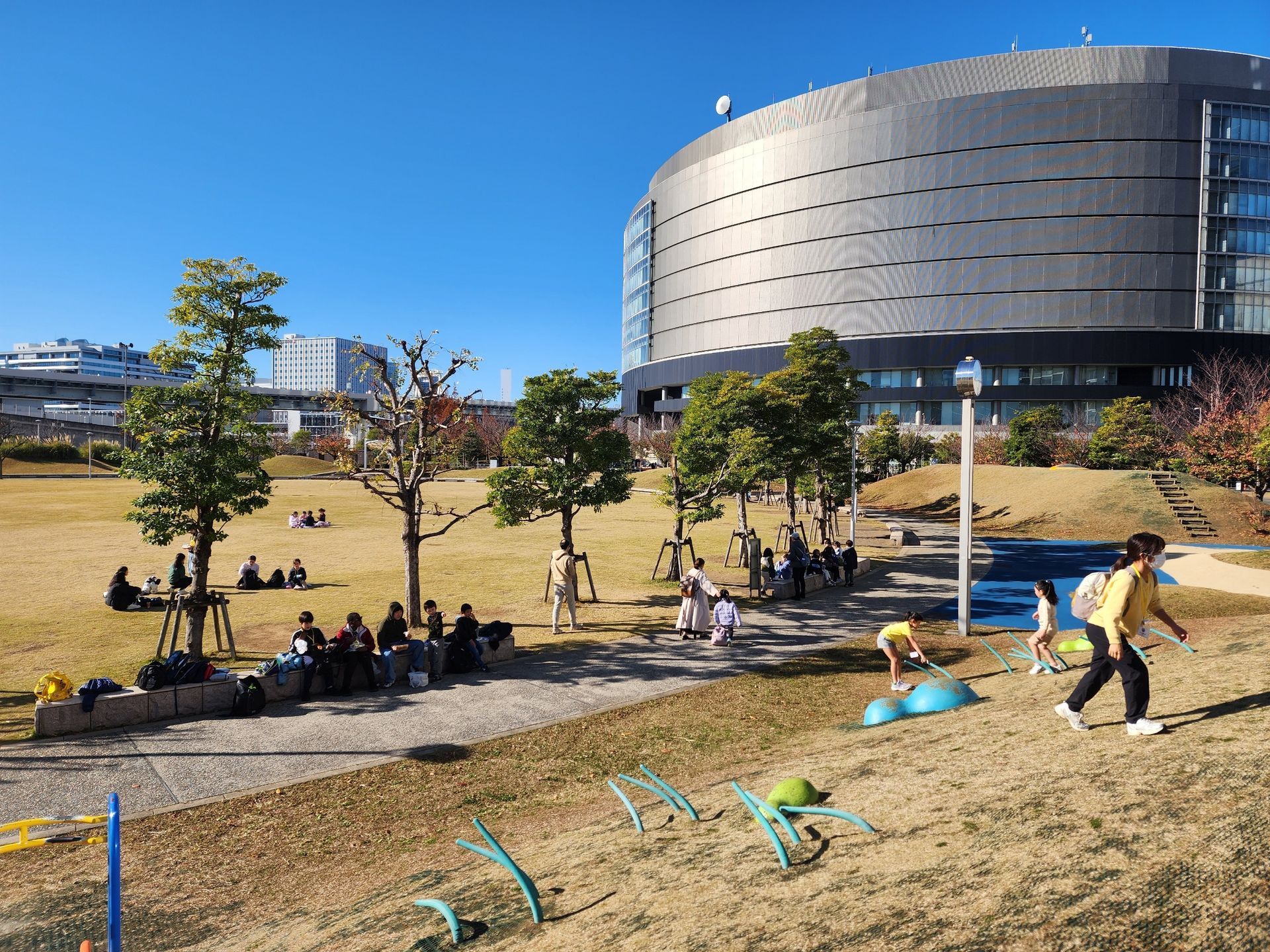
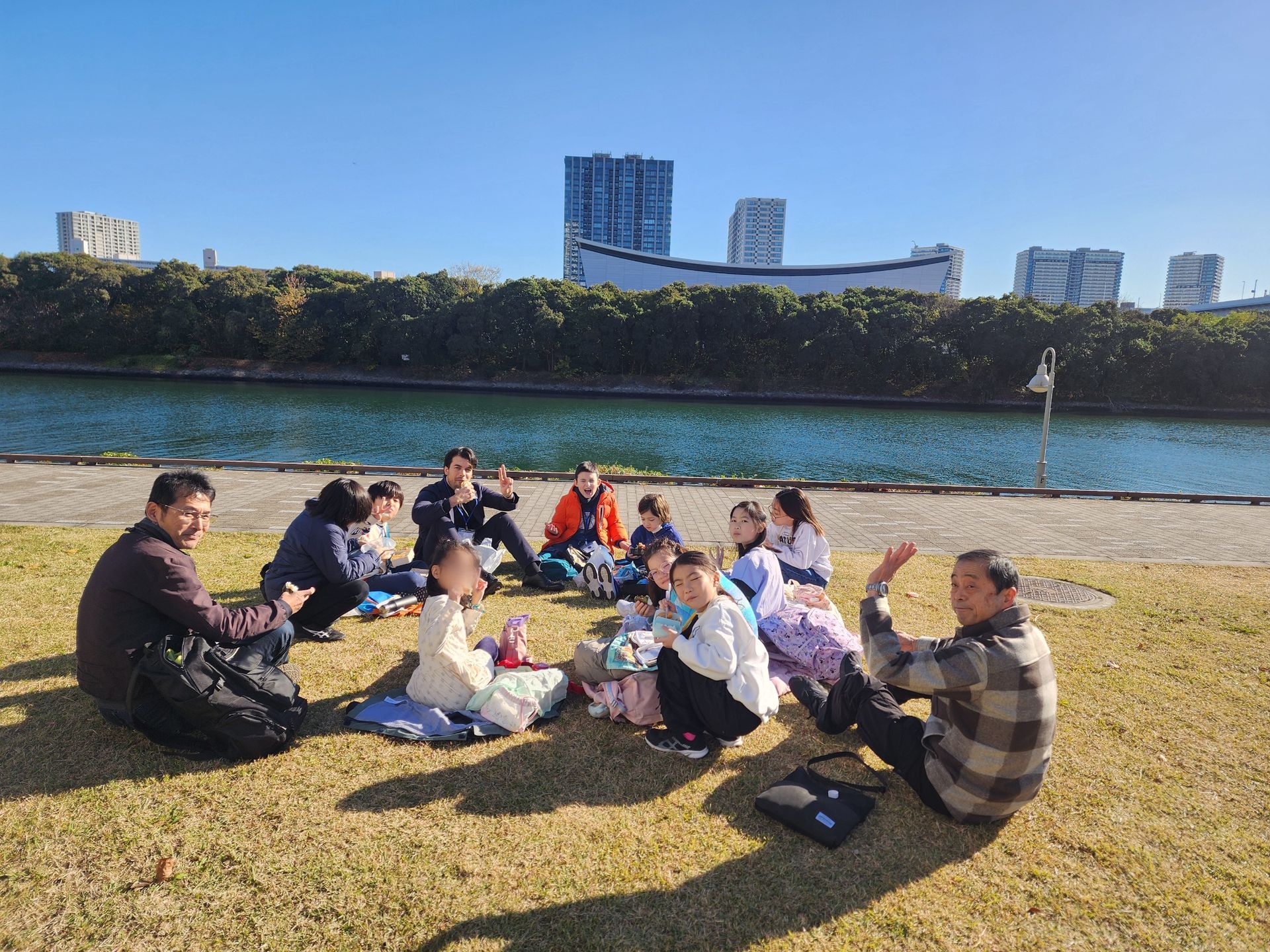
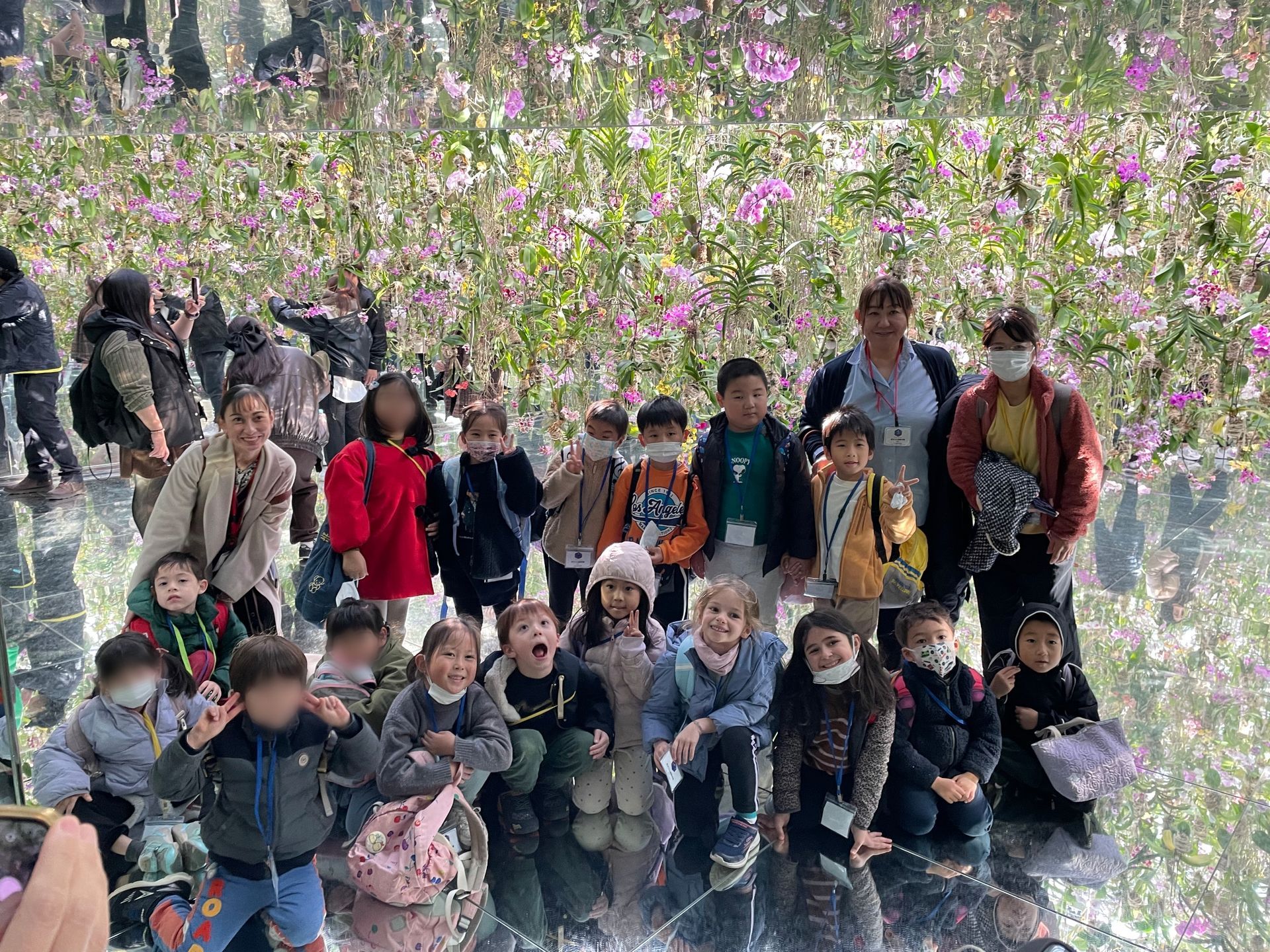
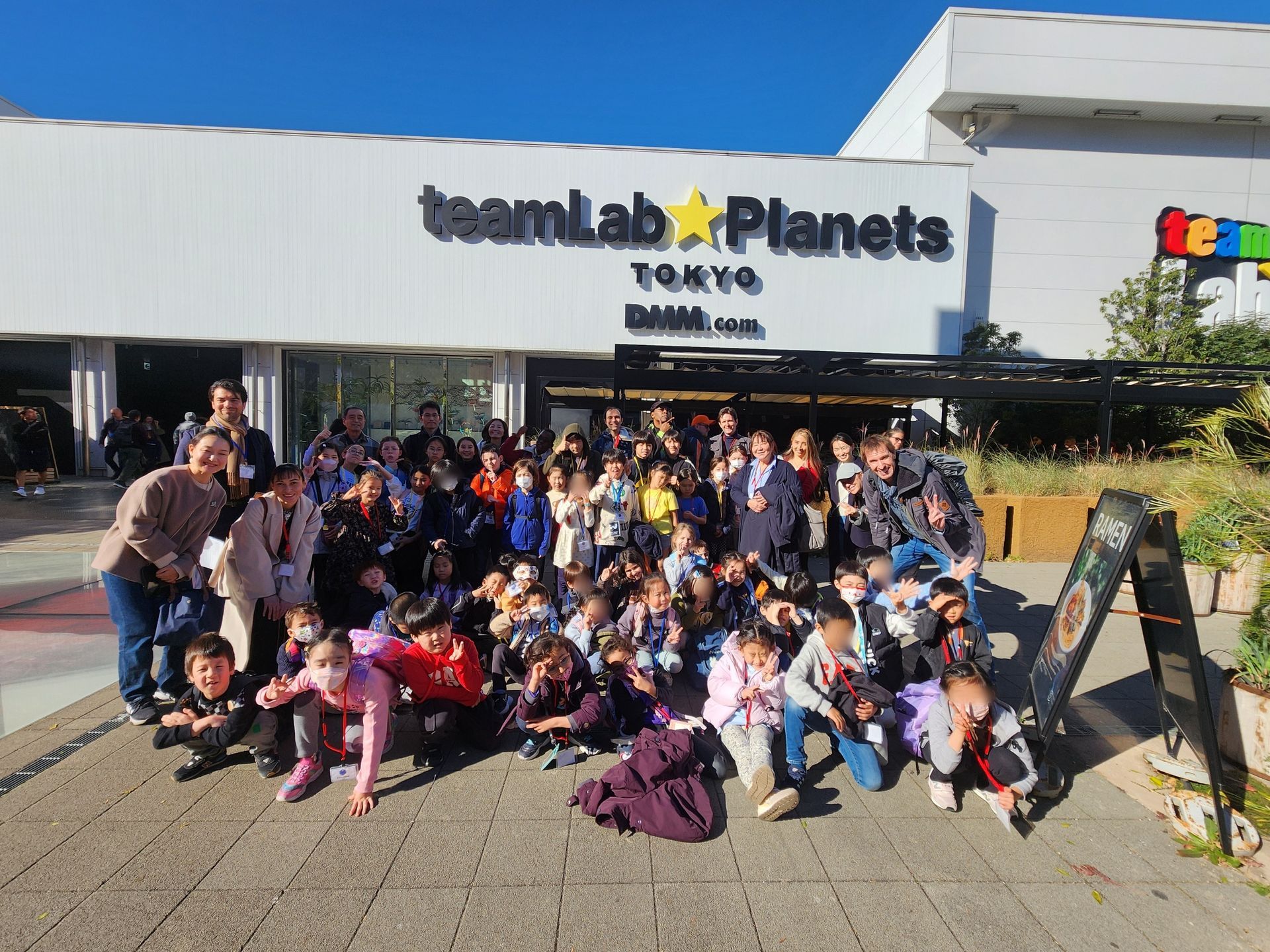
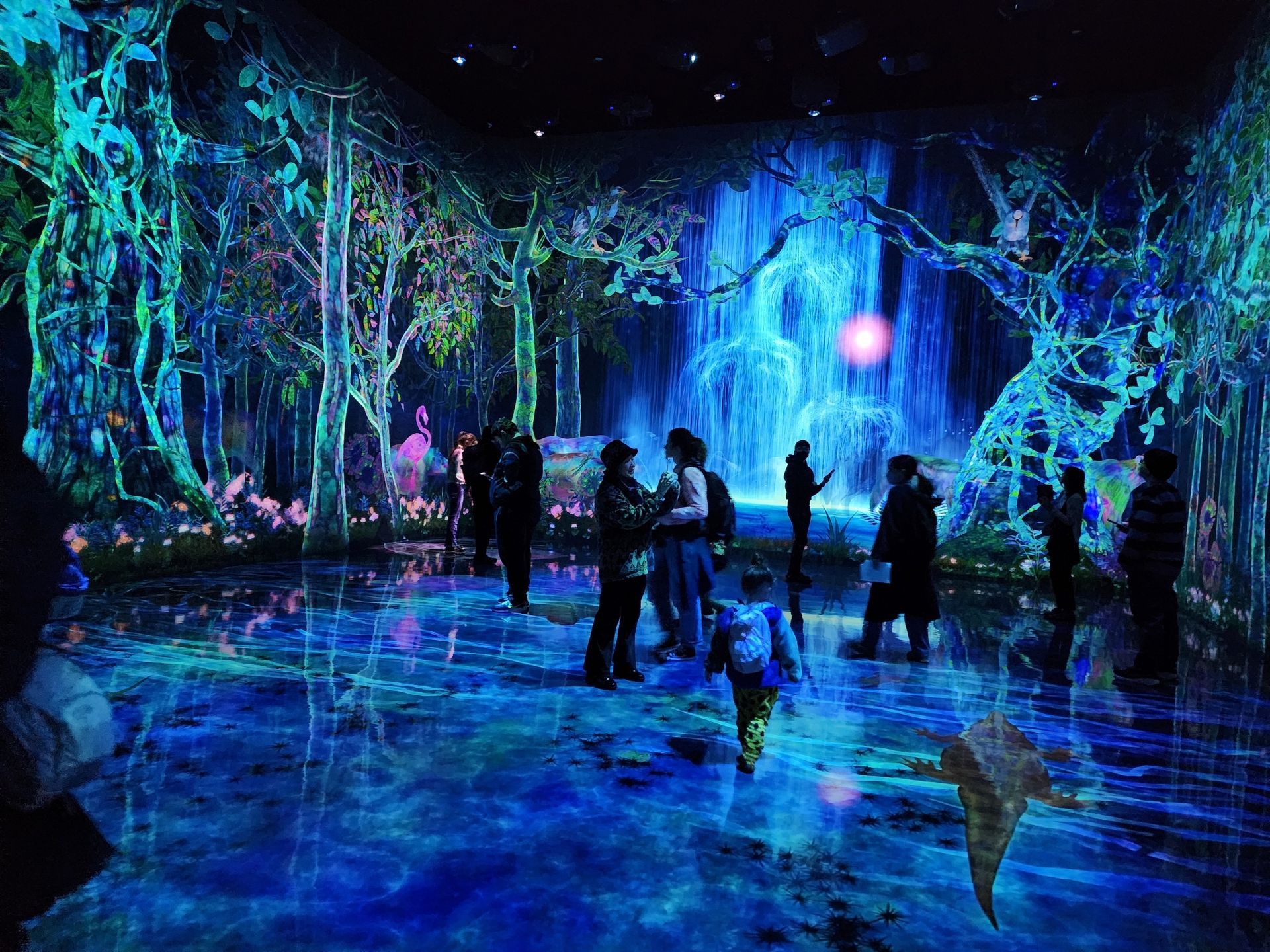
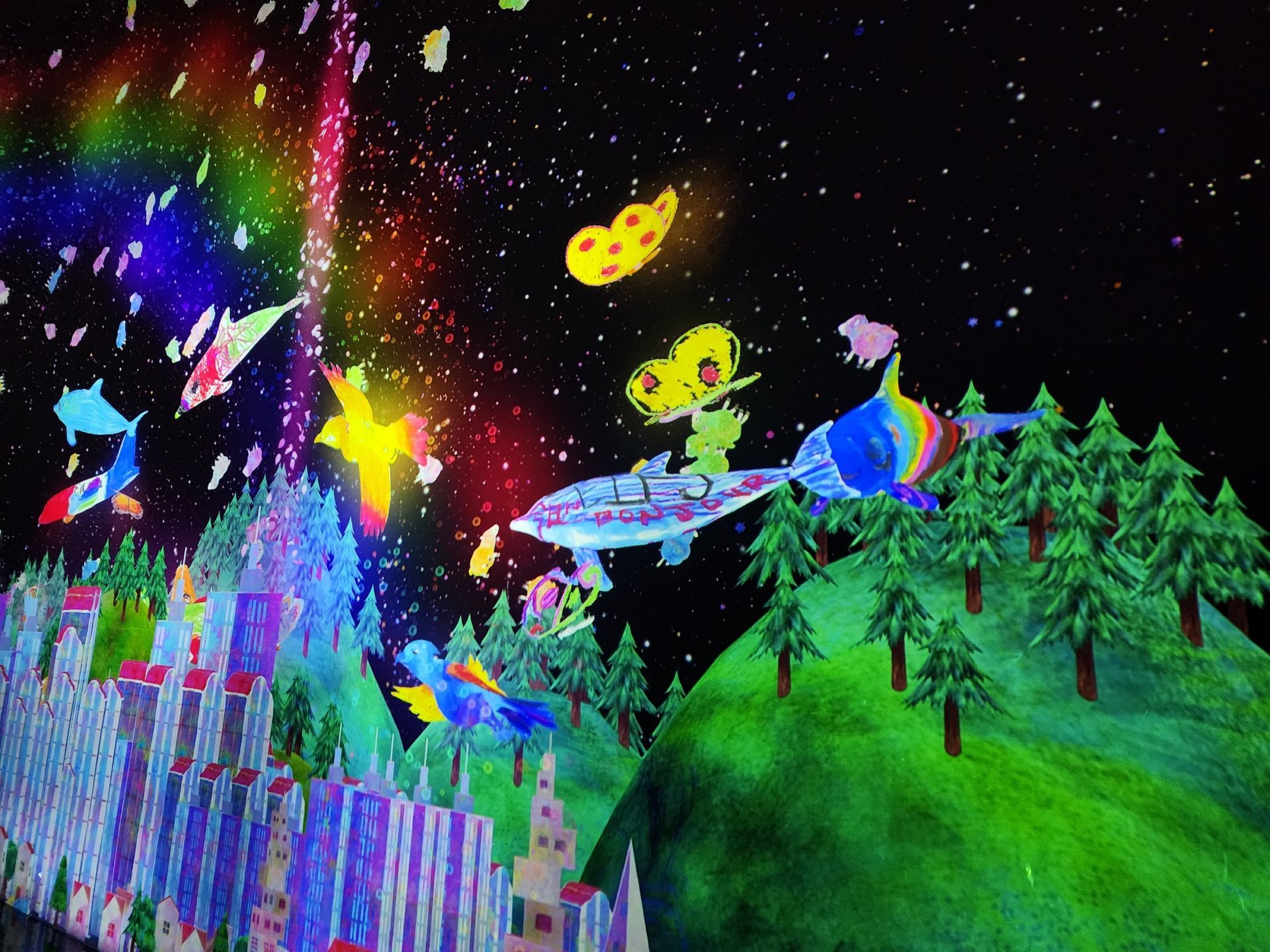
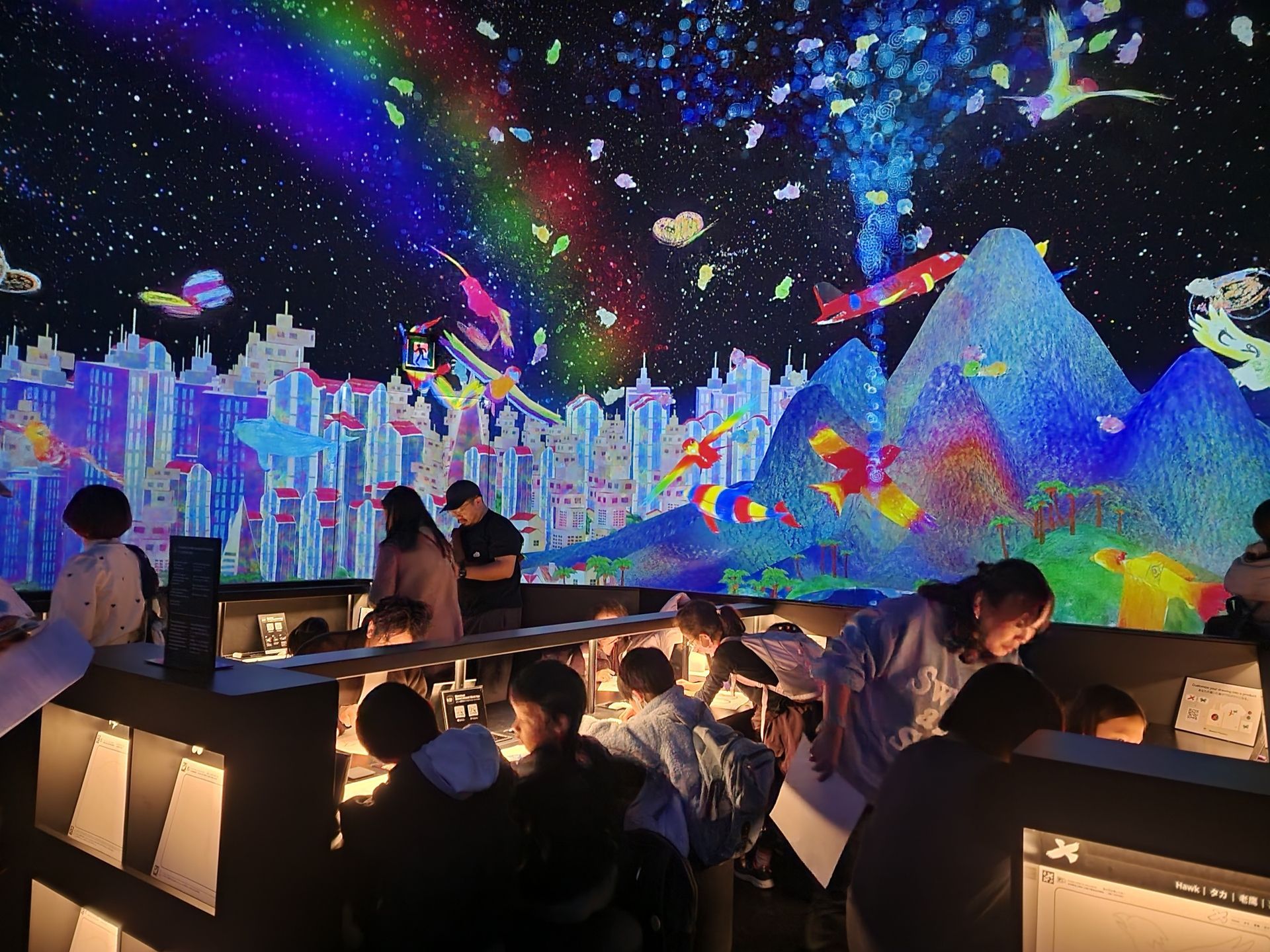
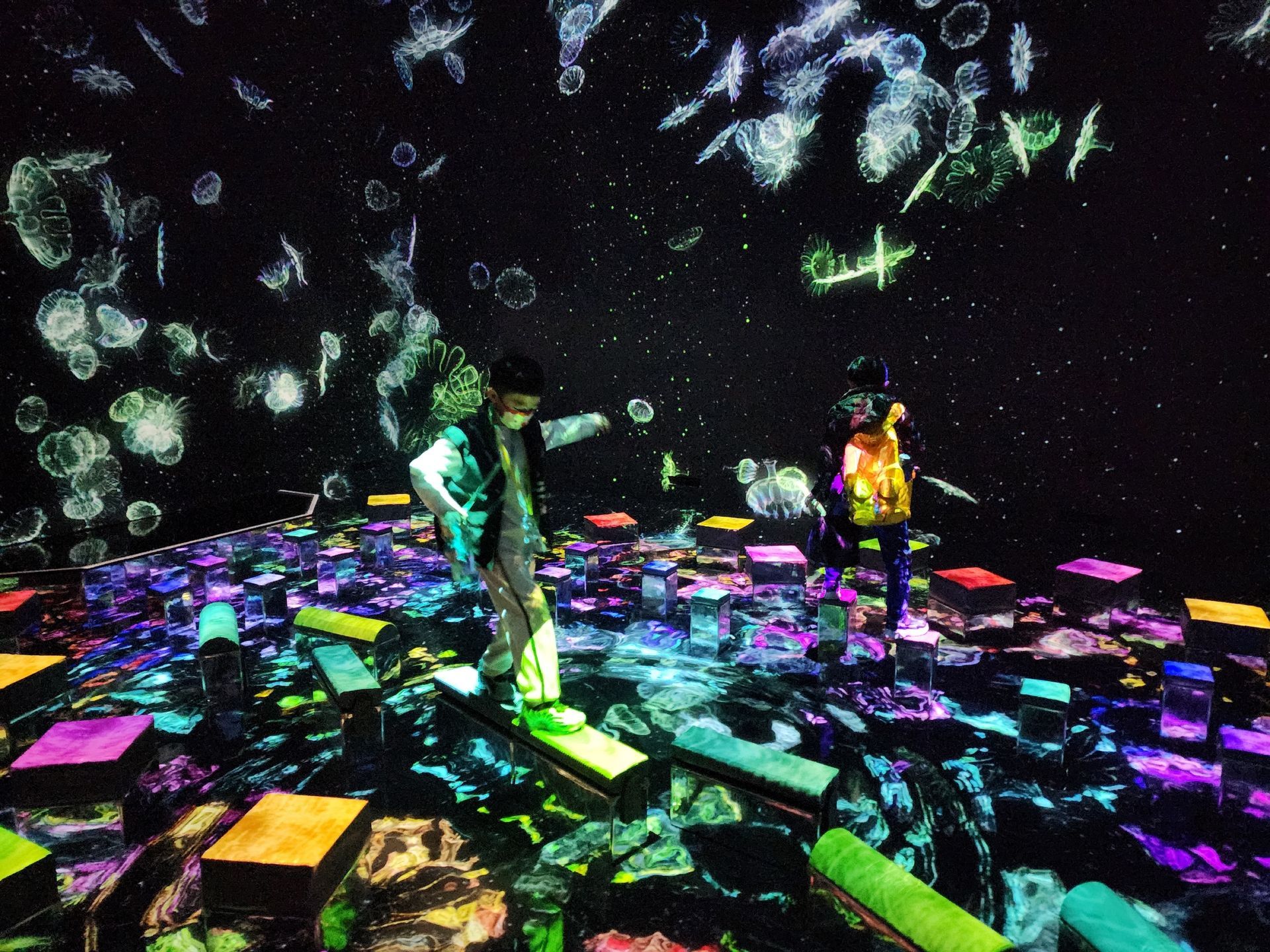
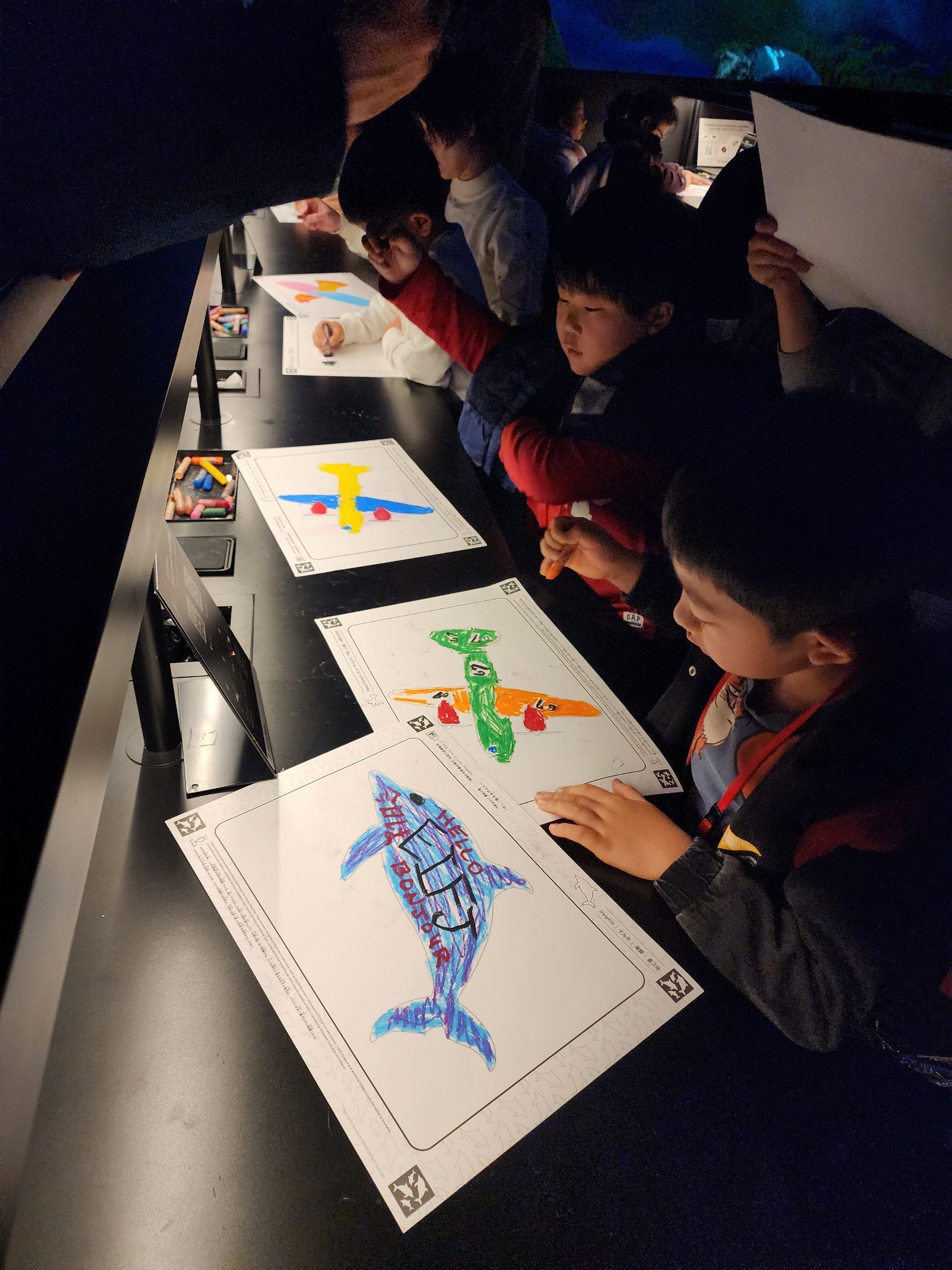
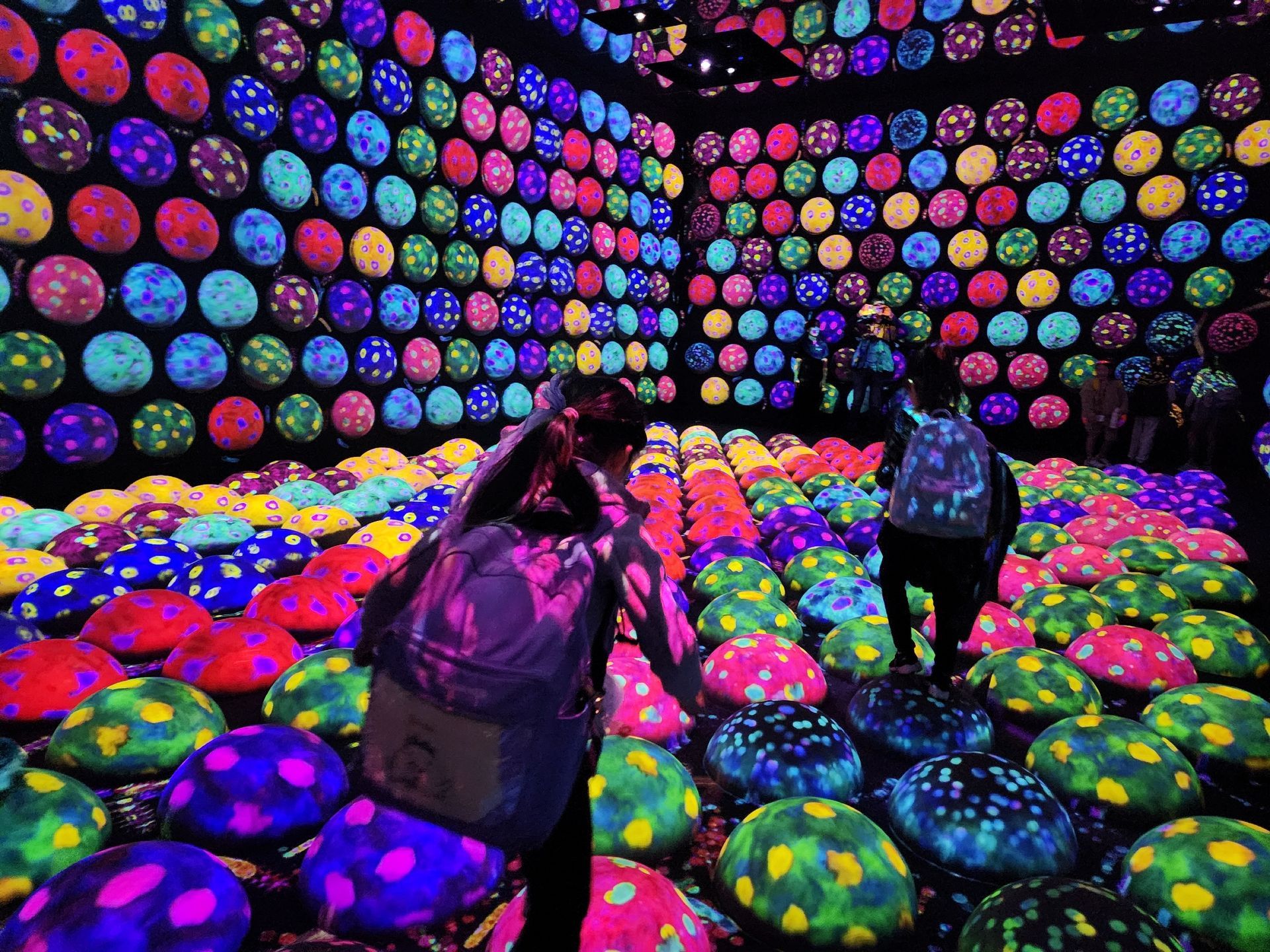
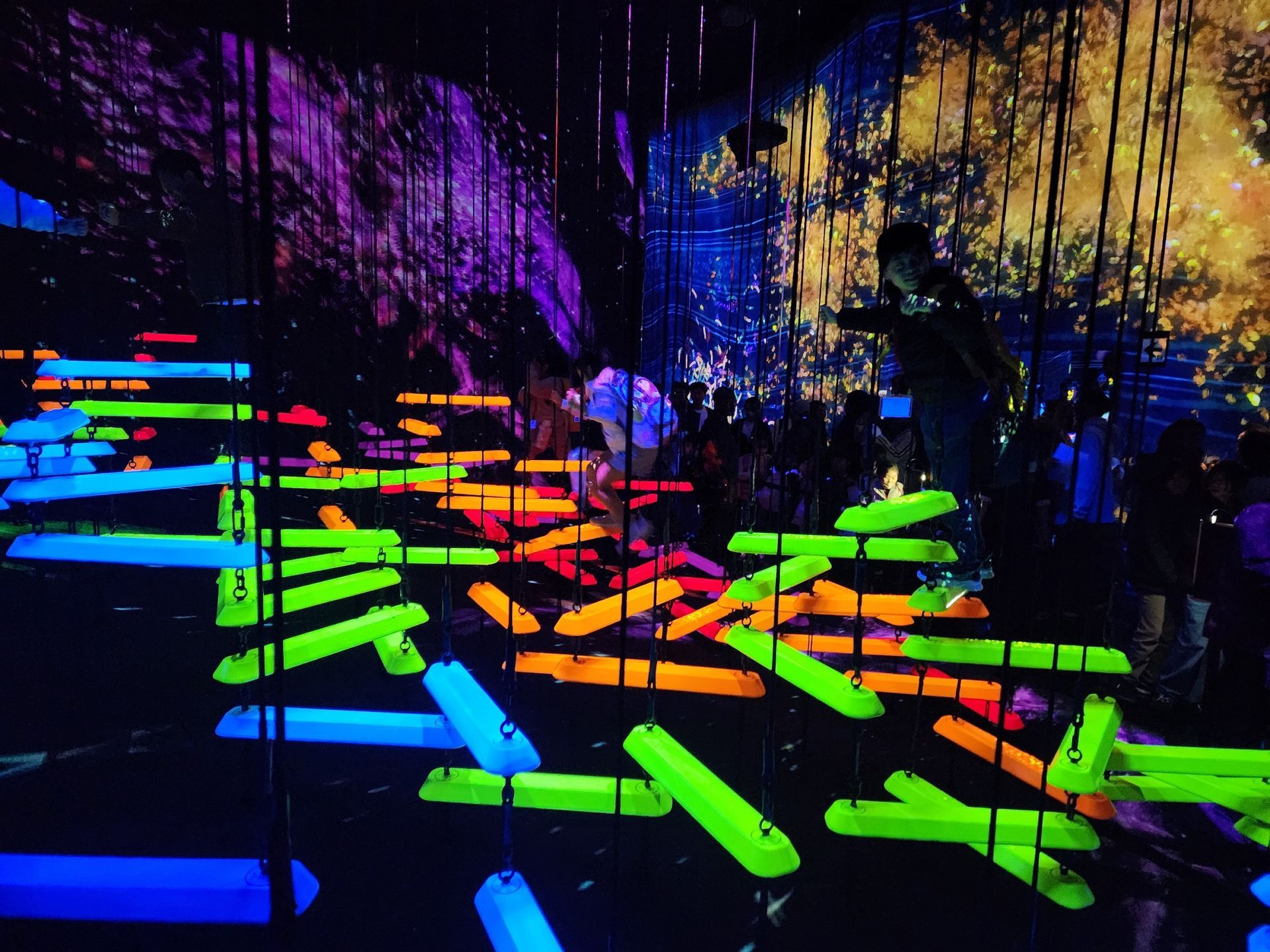
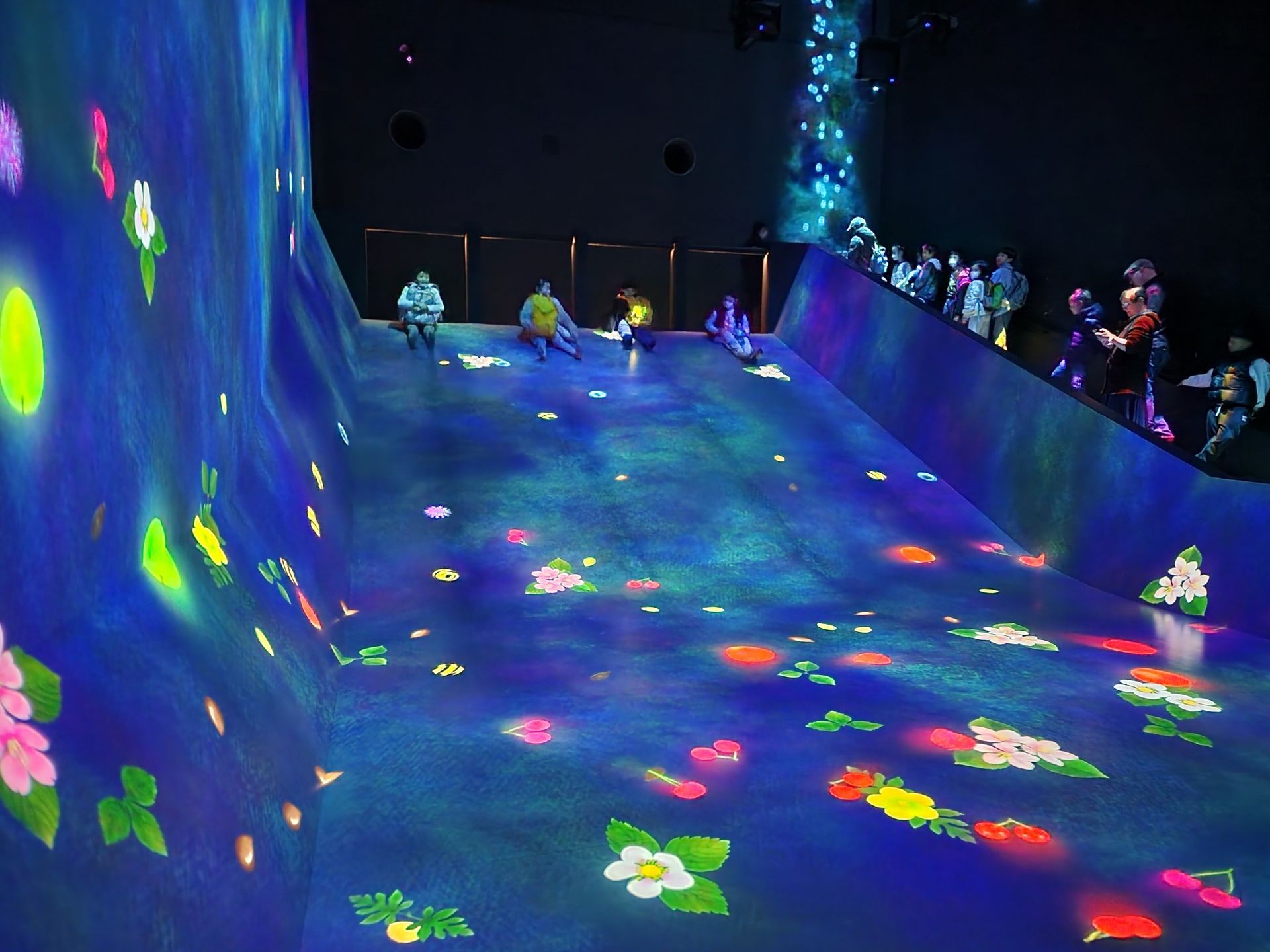
ANNUAL FIELD TRIP TO TEAMLAB PLANETS TOKYO
MOBILE PHONE “PAUSE” POLICY, RESPONSIBLE DIGITAL USE AND ARTIFICIAL INTELLIGENCE (AI) in middle & high school
In line with educational developments observed in France and internationally regarding “digital pause” initiatives, restrictions on mobile phone use during school hours, and the growing importance of digital citizenship and Artificial Intelligence (AI) literacy, EIFJ has implemented a clear policy since 2025: the use of mobile phones is prohibited throughout the entire effective school day in middle and high school. Students may bring their phones to school; however, they must remain switched off and stored in a designated box during lessons, educational activities, breaks, and school time, unless exceptional authorization is granted by the educational team.
This measure aims to promote concentration, social interaction, student well-being, and a calmer, more collaborative learning environment. At the same time, EIFJ encourages a balanced, guided, and educational use of digital tools through its pedagogical practices.
Beginning in the 2026-2027 school year, EIFJ strengthens prevention and educational initiatives related to digital citizenship and the appropriate, responsible, and ethical use of Artificial Intelligence (AI). Students are guided in developing critical thinking toward digital content, understanding the opportunities and limitations of AI tools, verifying sources, distinguishing between information, opinion and AI-generated content, and adopting responsible practices regarding privacy, academic integrity, and digital safety.
The objective is not to prohibit digital tools or AI, but to teach students how to use them thoughtfully, transparently, and age-appropriately as tools supporting reflection, creativity, and learning, without replacing personal reasoning, effort, or authentic human interaction.
PREVENTION, CITIZENSHIP AND RESPECT FOR THE HOST COUNTRY
As part of its educational mission and commitment to supporting students living in an international environment, EIFJ will implement, from the 2026-2027 school year onward, prevention and citizenship education initiatives focused on civility and respect for the host country.
In middle and high school, information and awareness sessions aim to help students better understand their rights and responsibilities in Japan, as well as local expectations regarding behaviour, respect for public spaces, residents, collective rules, and harmonious community life. Particular attention is given to the prevention of inappropriate behaviour and incivilities.
EIFJ seeks to strengthen an approach based on regular information for students and families, active, inclusive and educational prevention, and appropriate support measures in cases of inappropriate behaviour or incivilities. The objective is to educate responsible, respectful students who are aware of their role as young international citizens in Japan.
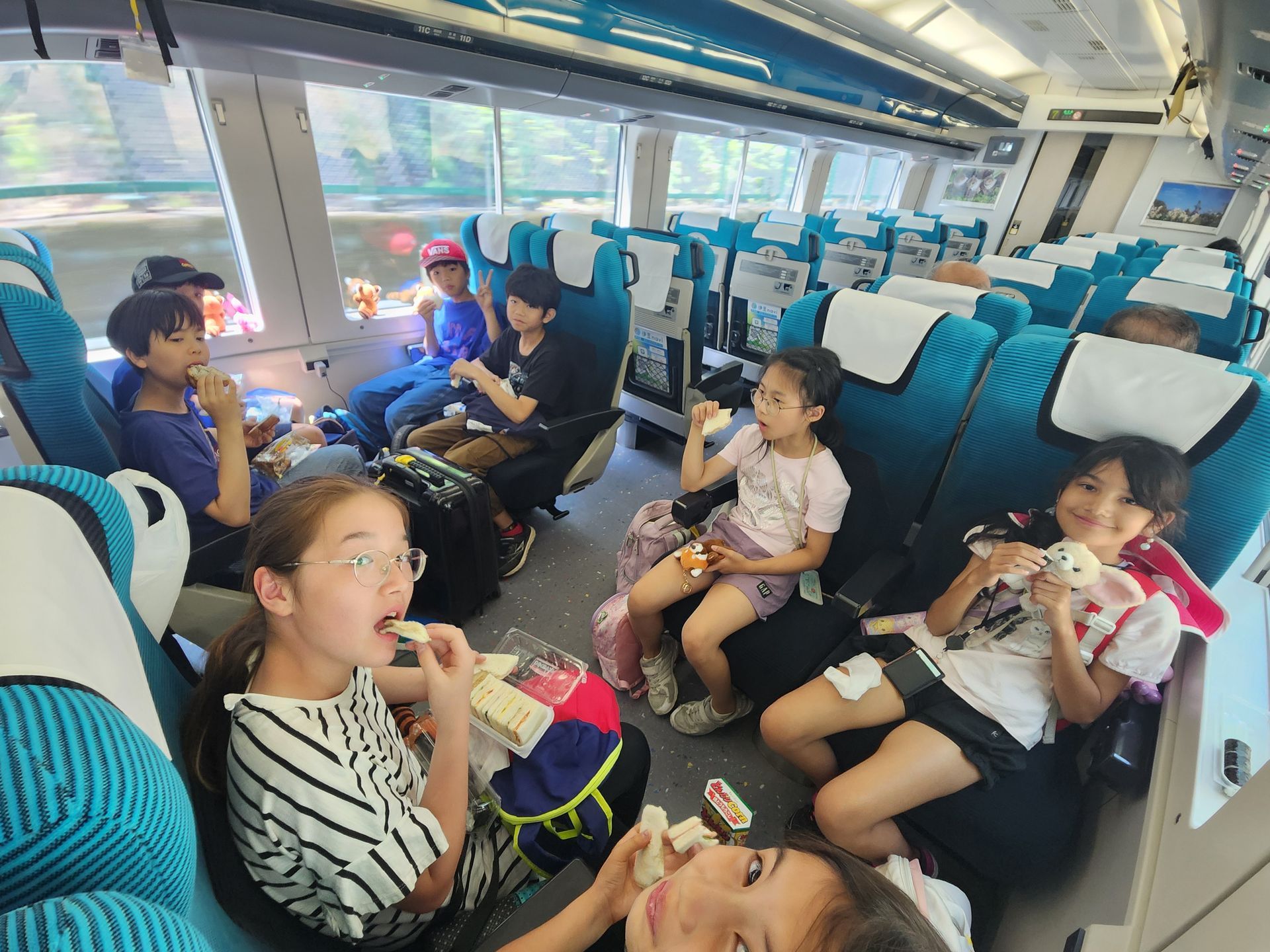
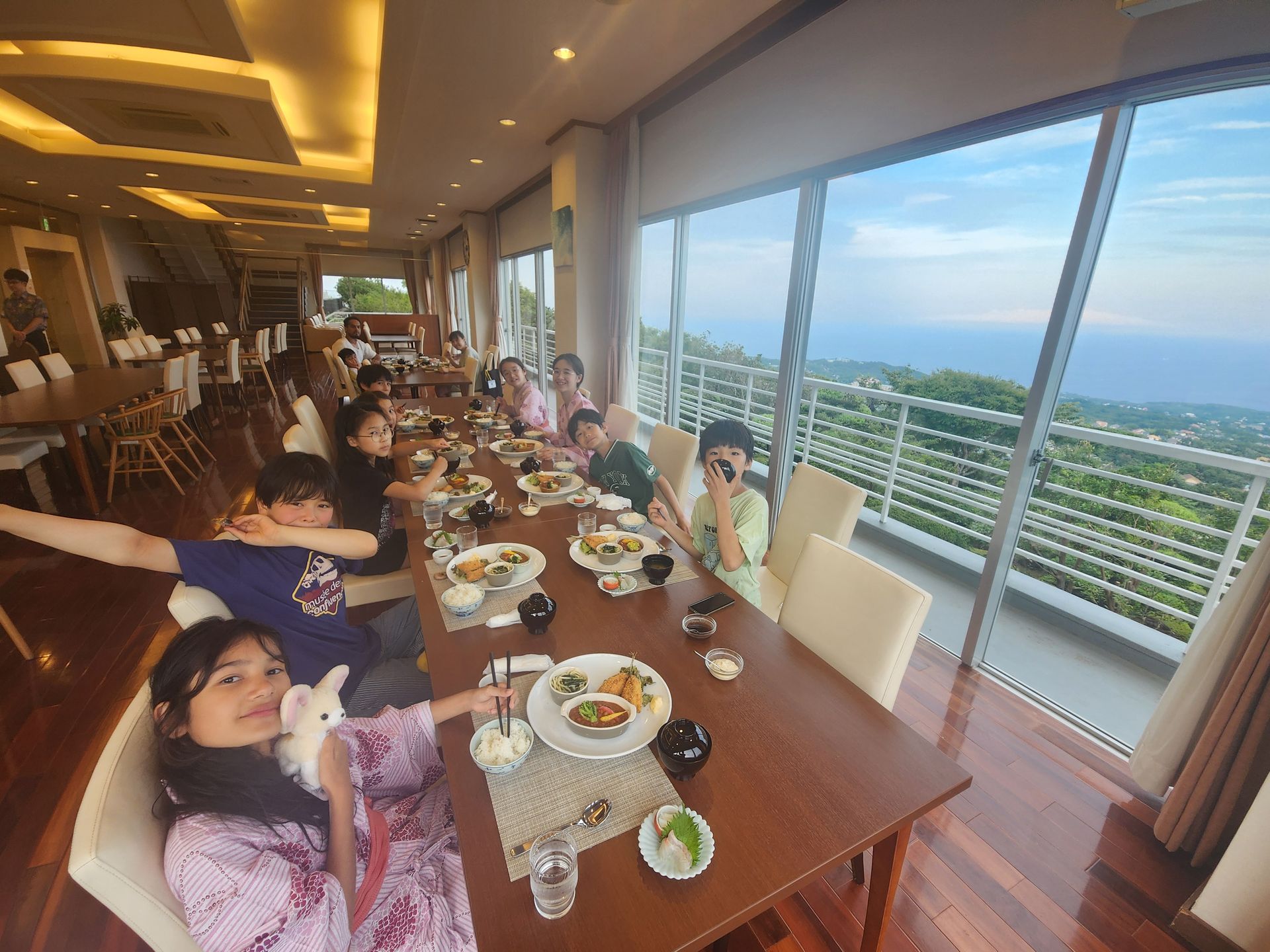
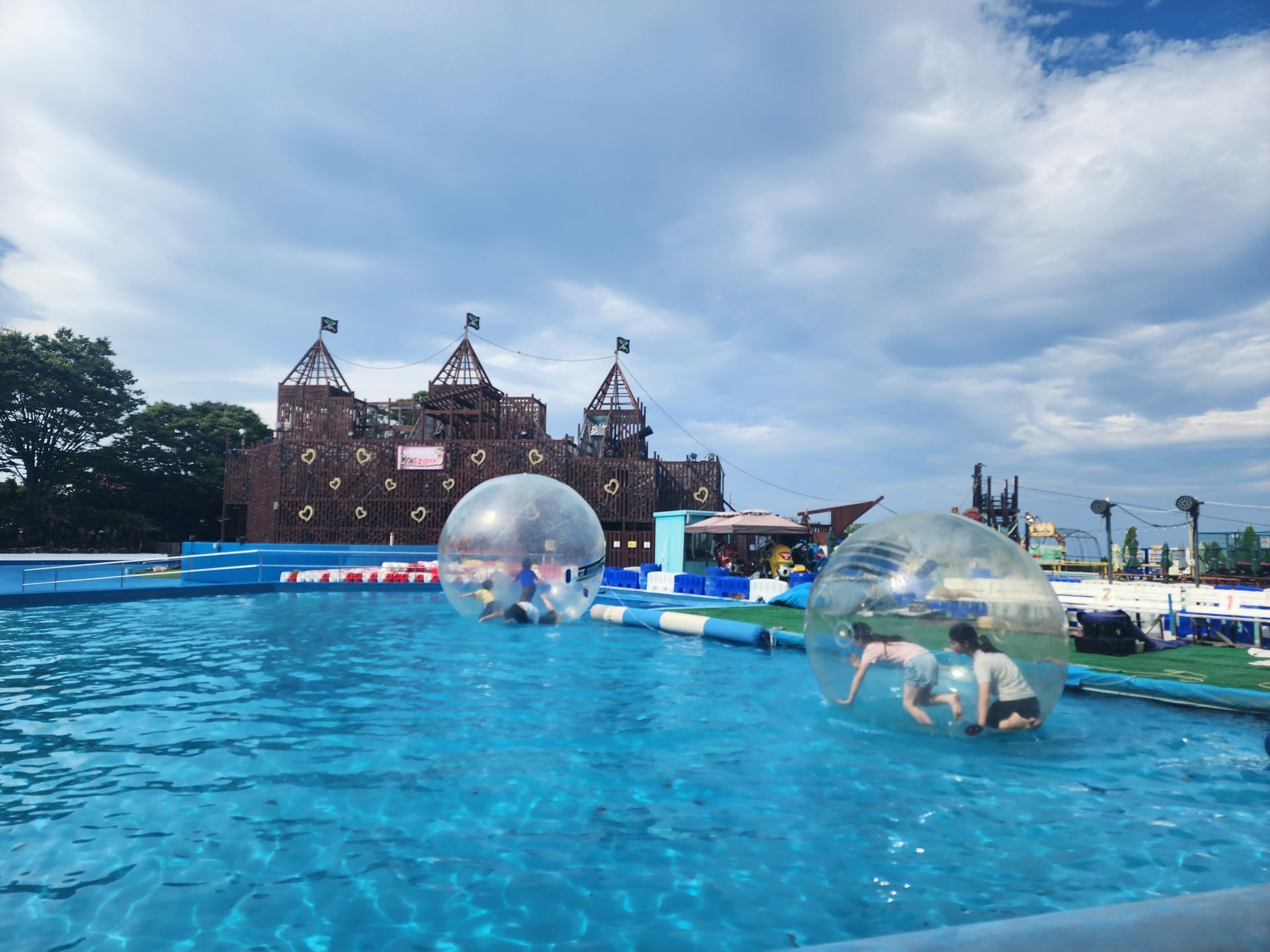
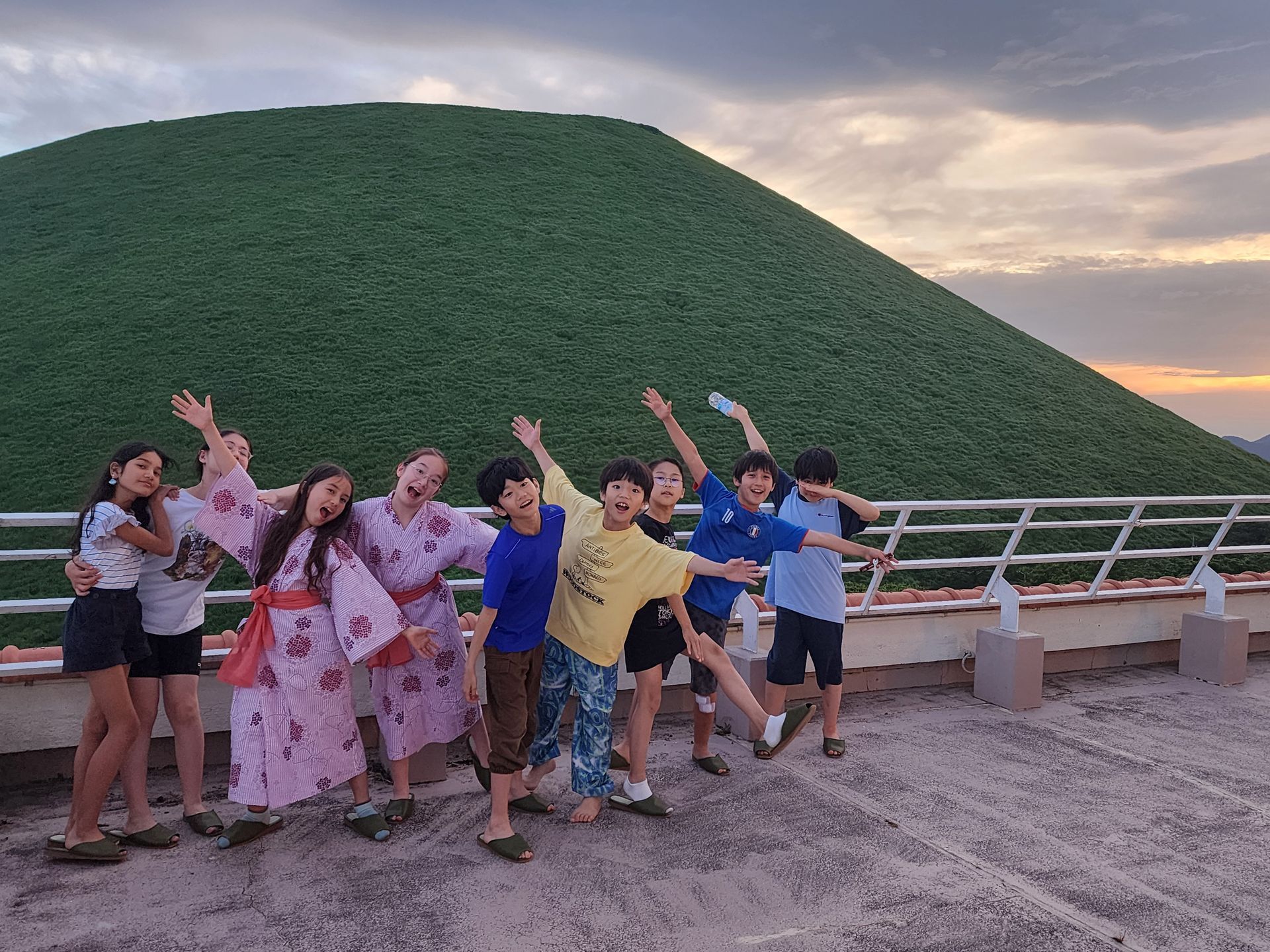
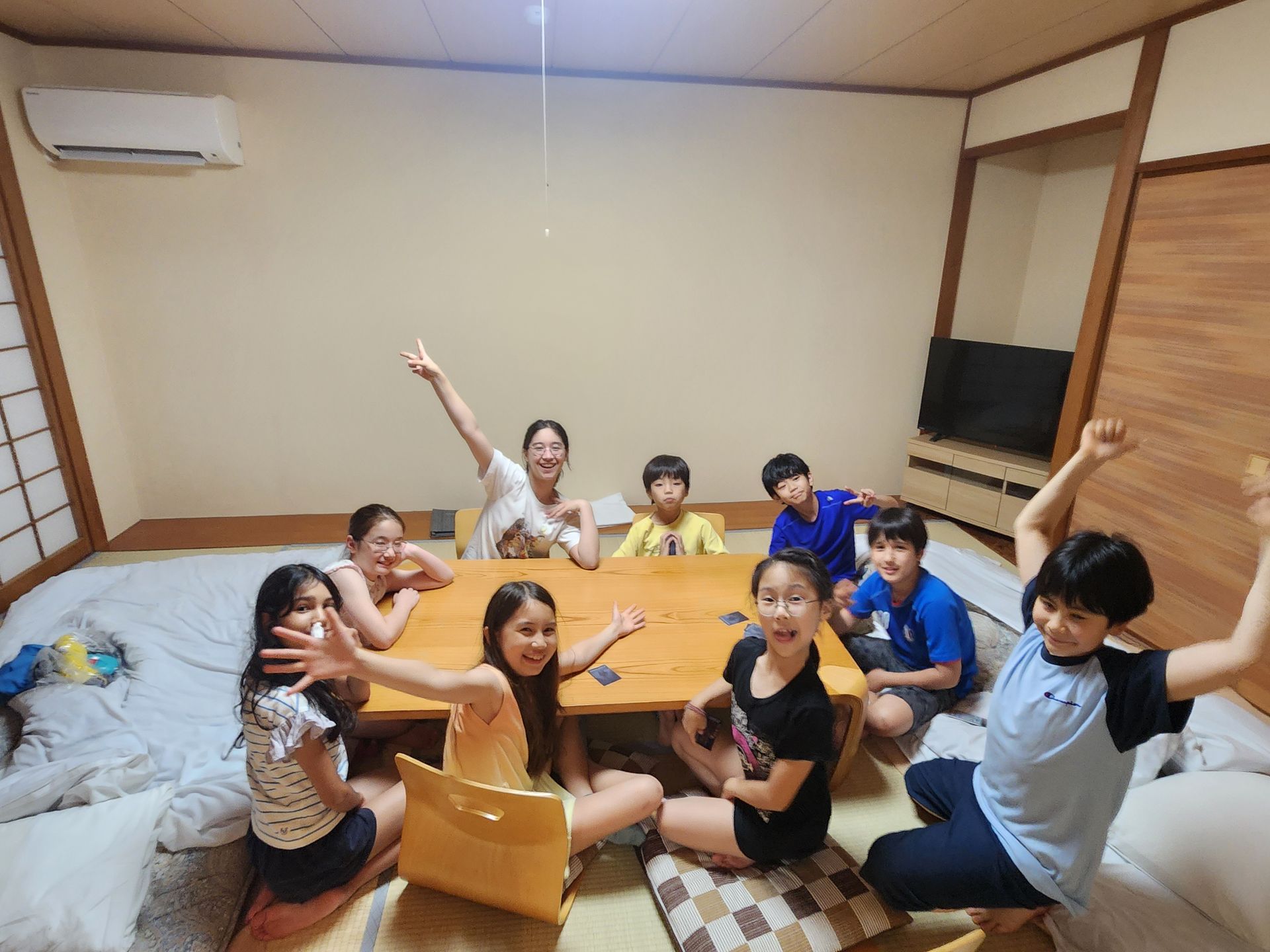
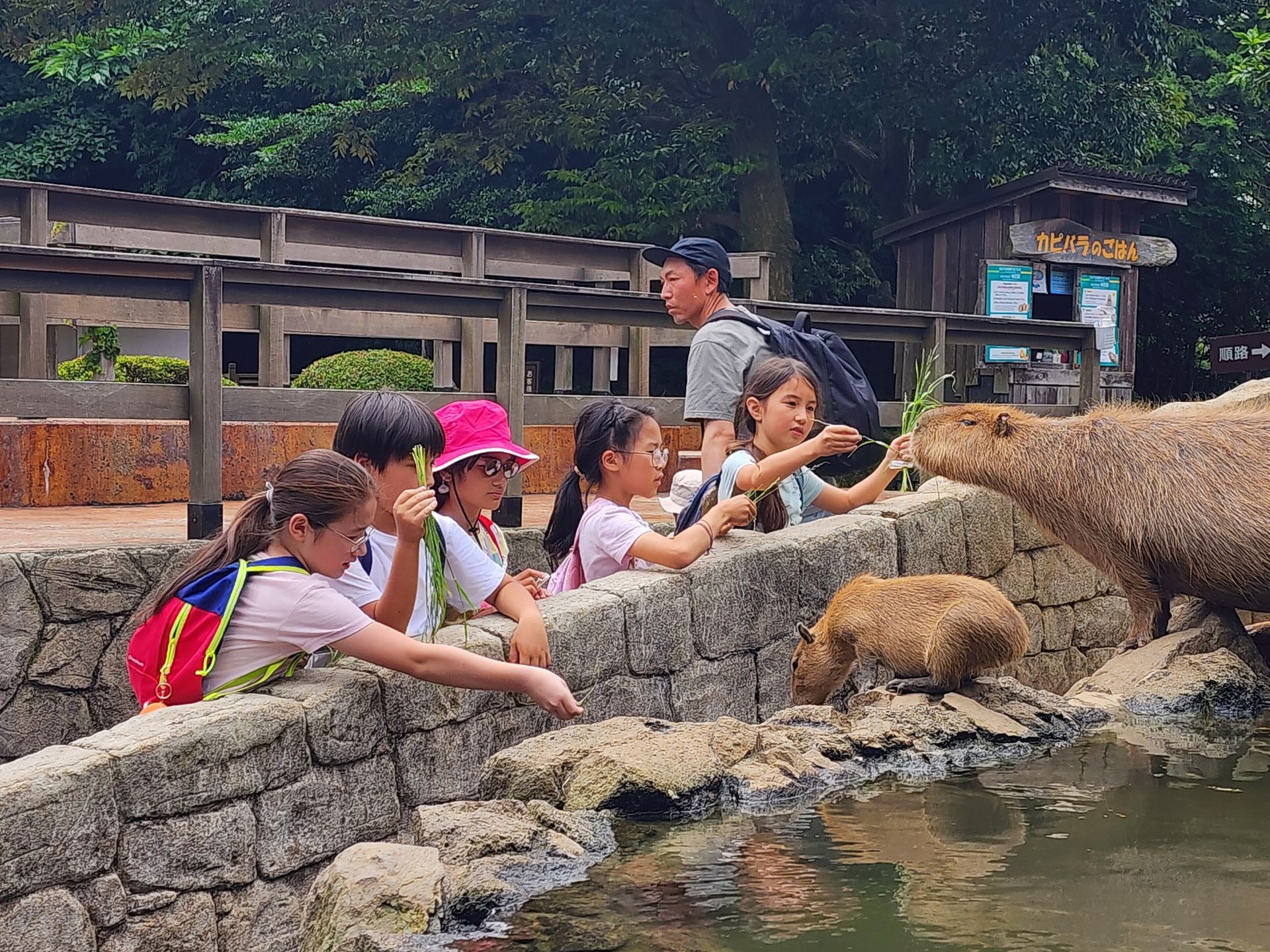
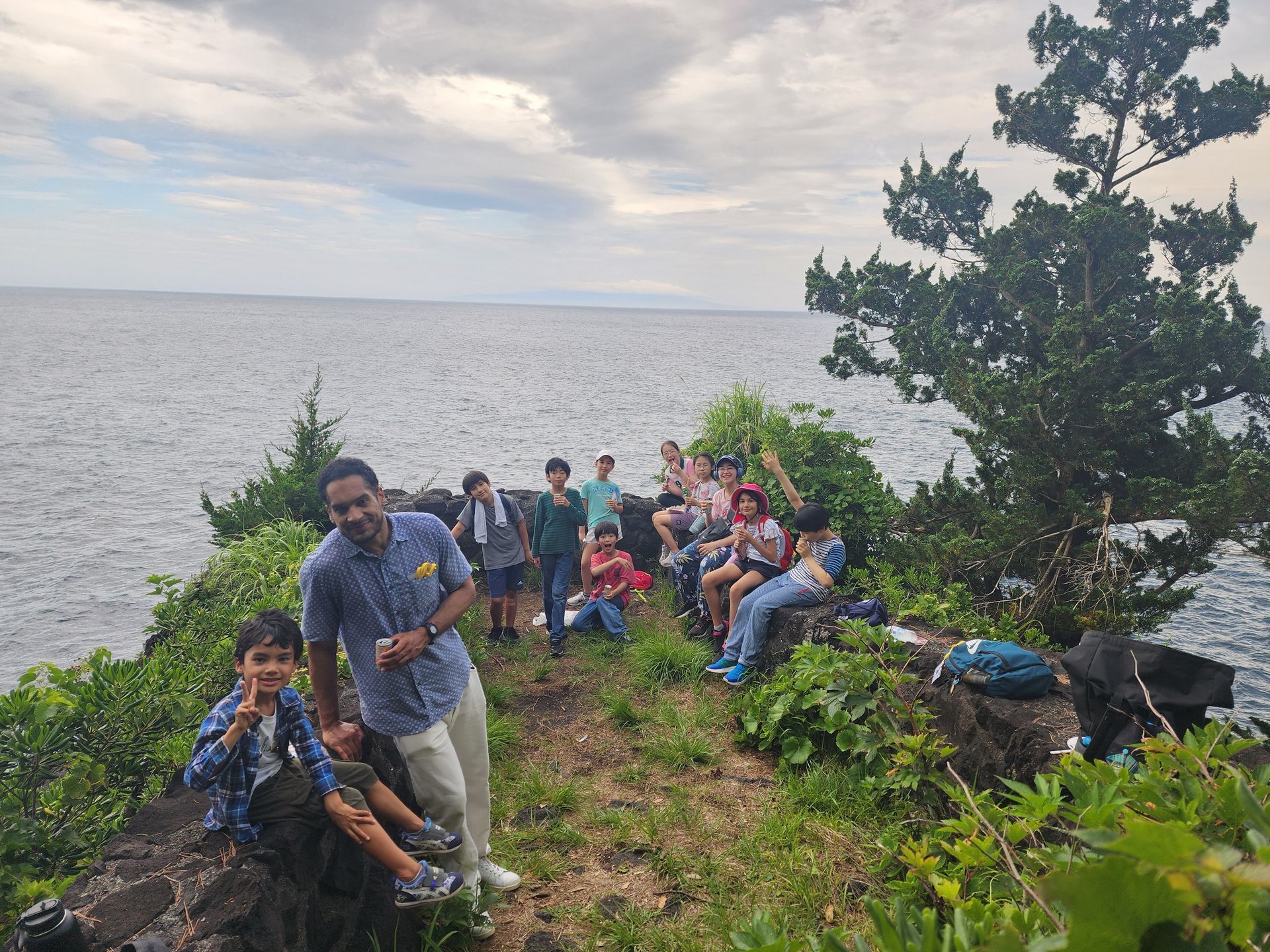
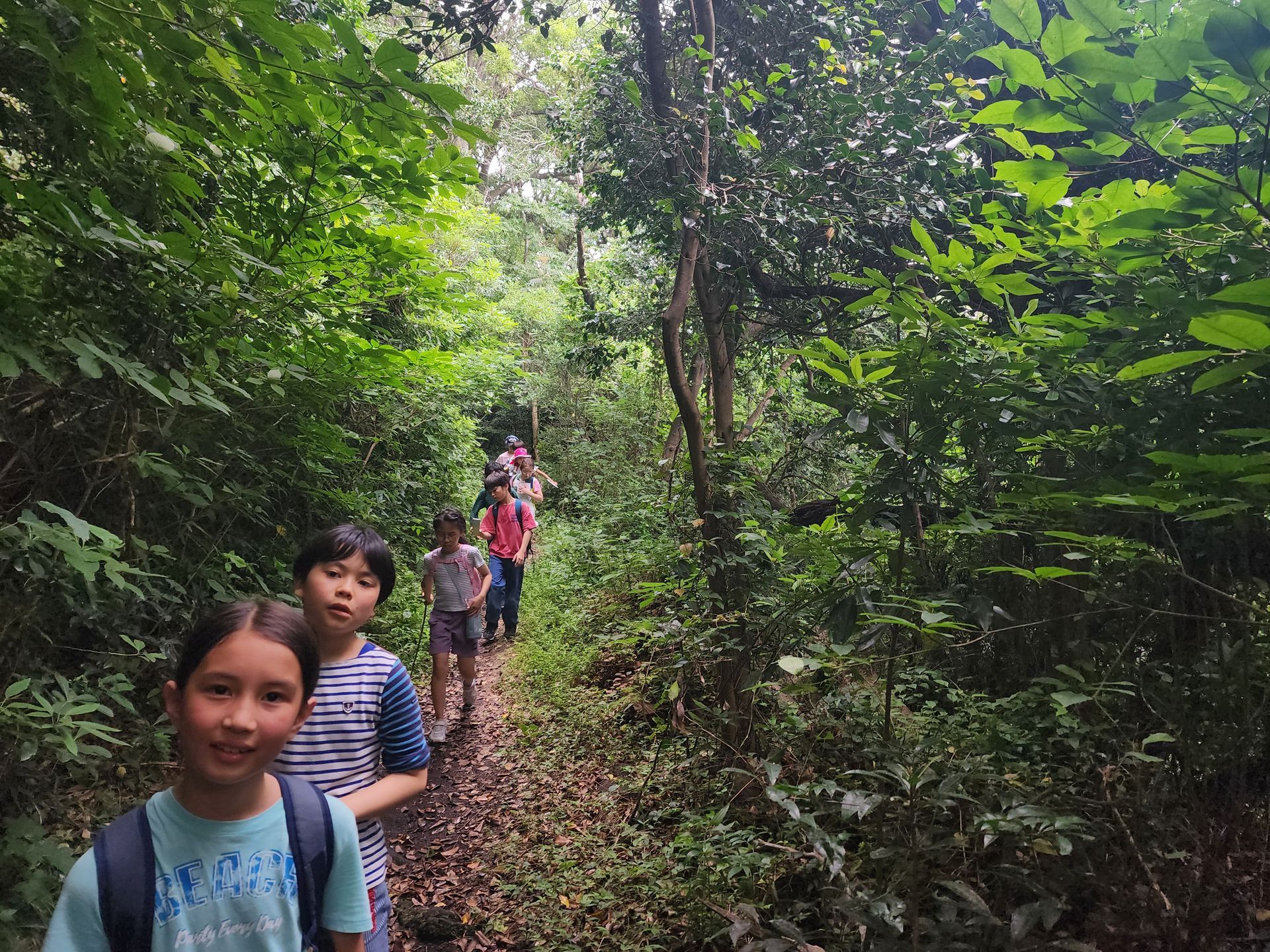
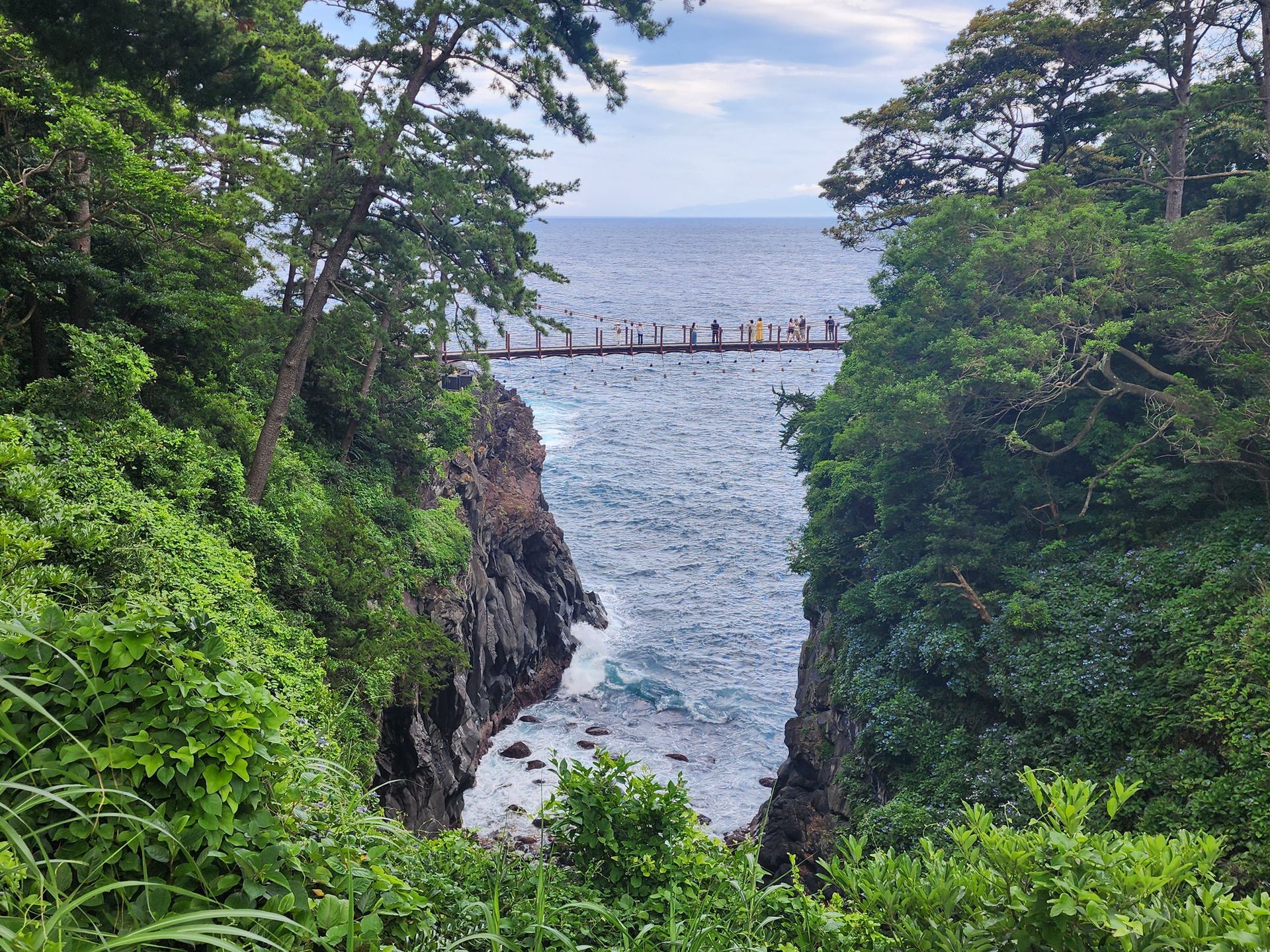
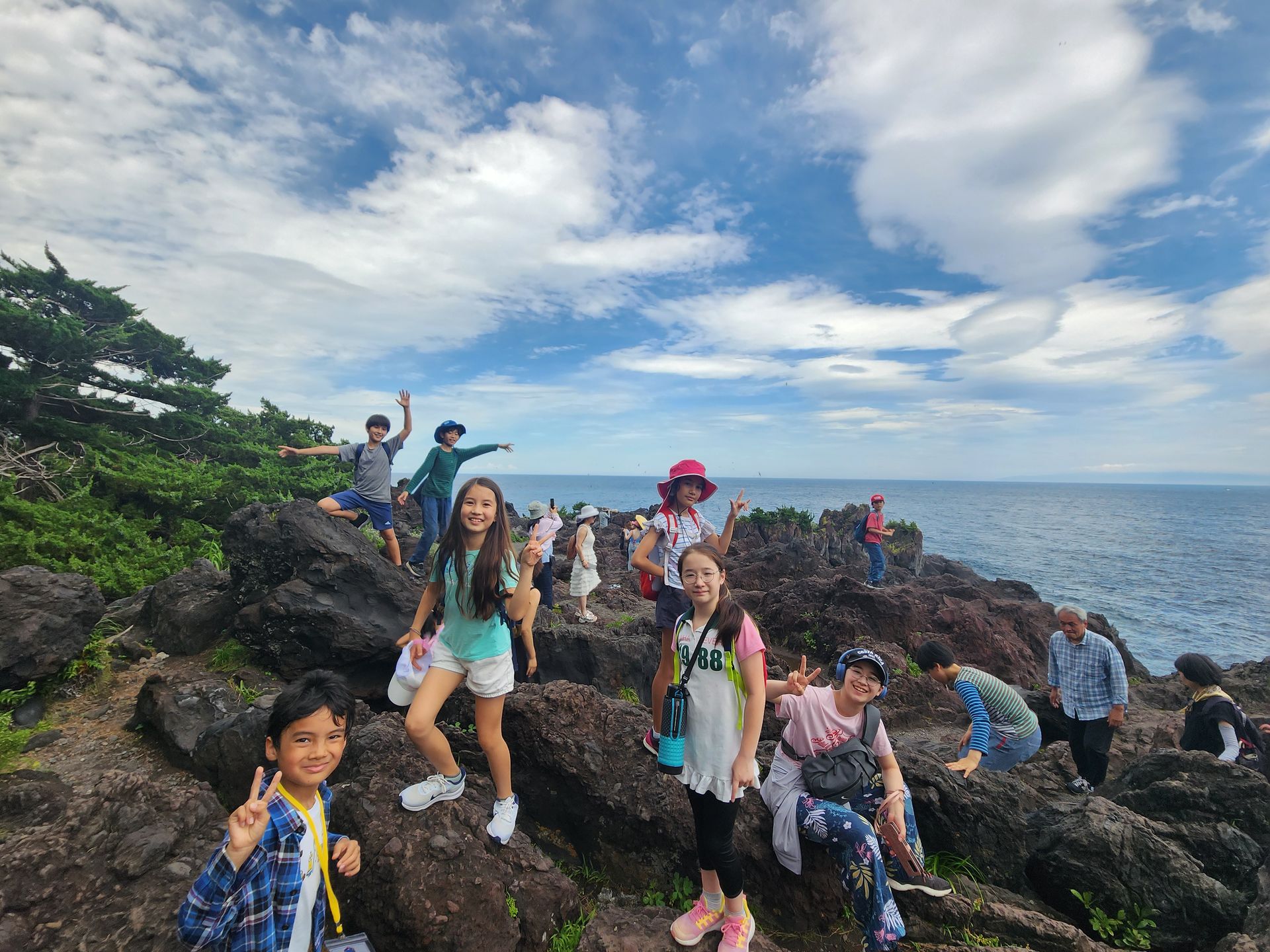
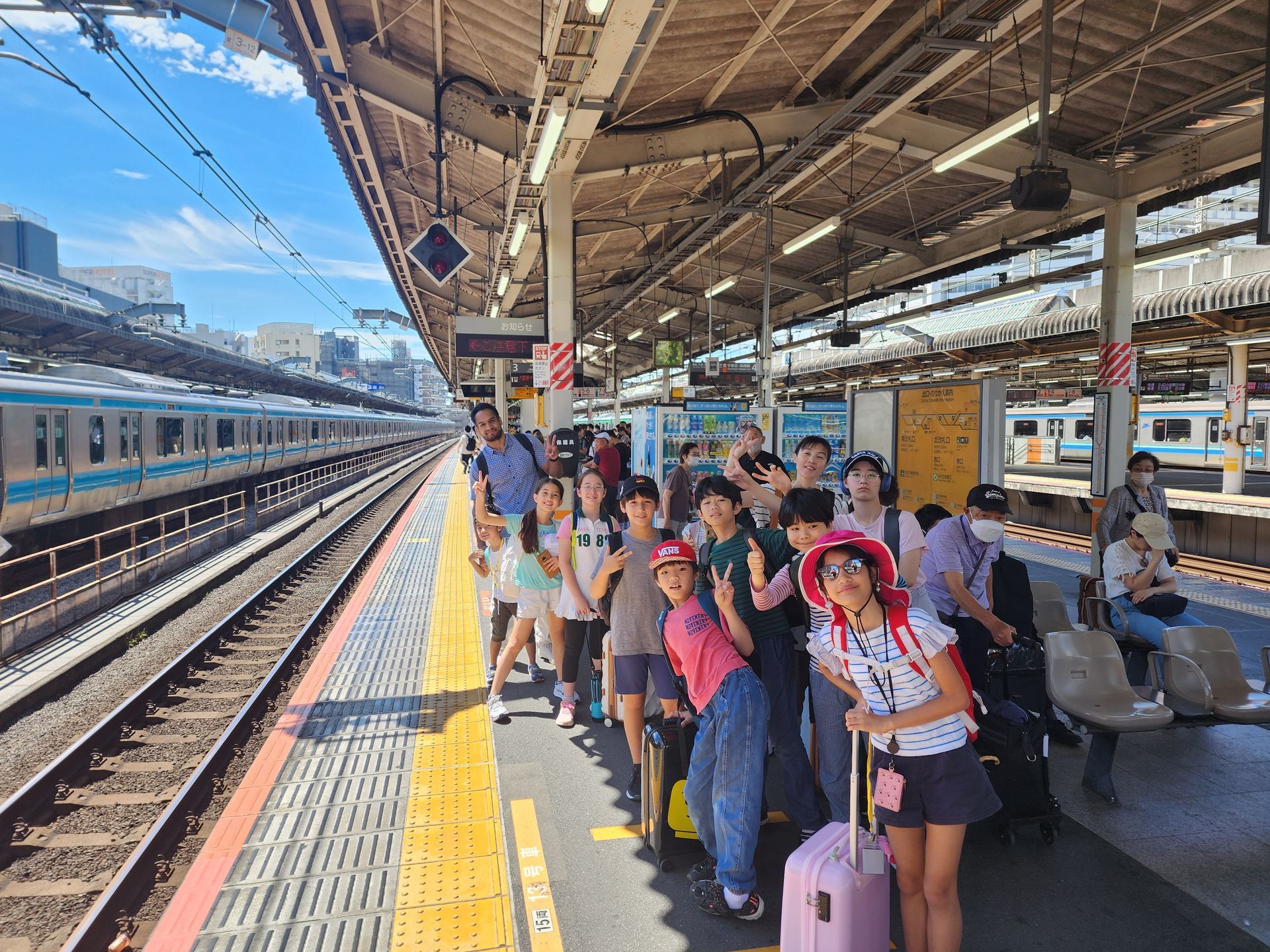
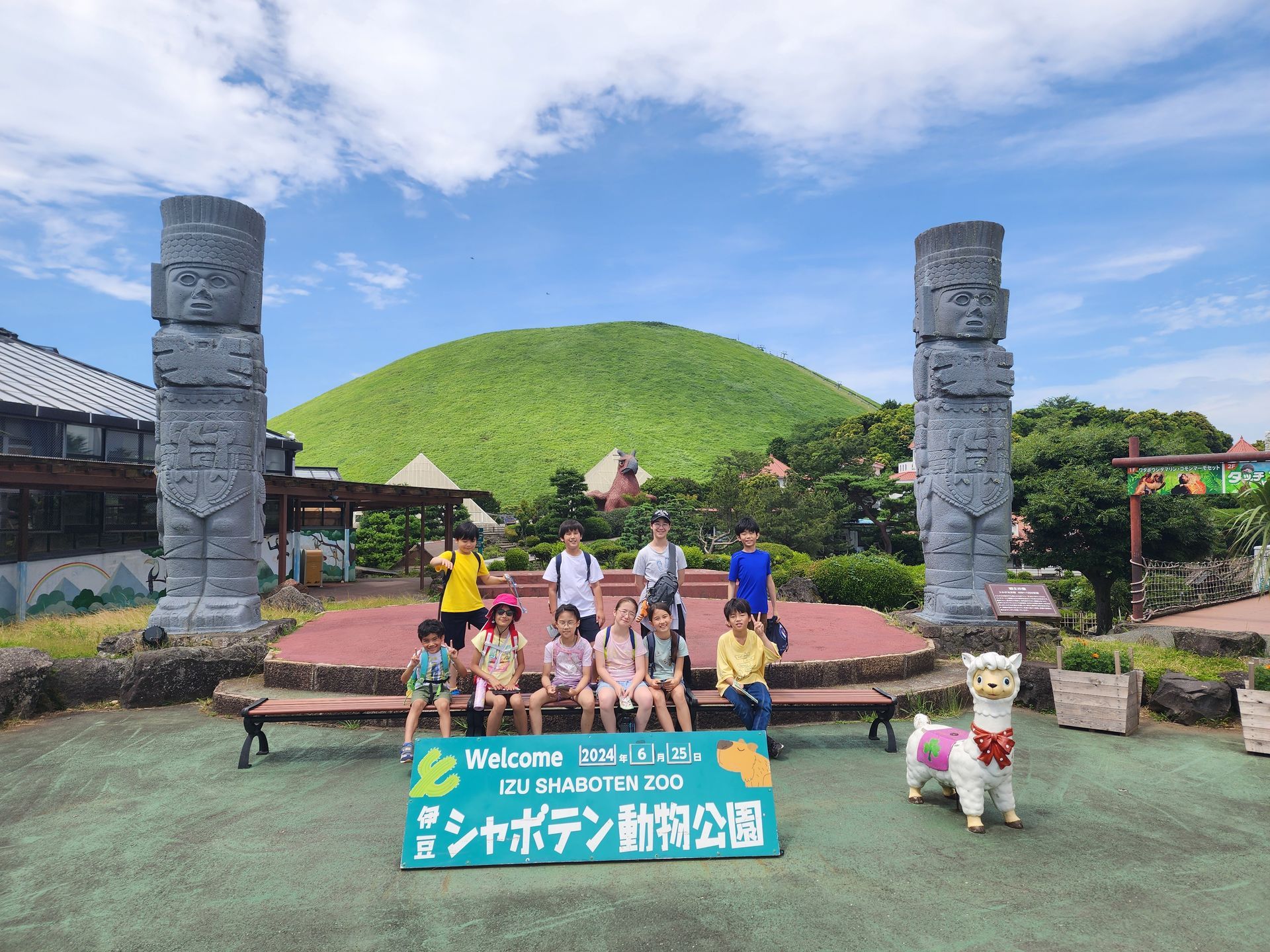
SCHOOL TRIPS
PEDAGOGICAL PROJECTS CONDUCTED DURING THE SCHOOL YEAR
- September:
- National Air Quality Day (Middle & High School, Cycle 4)
- National School Sports Day (JNSS) (Elementary and Middle & High School)
- October:
- Climate Week (Grades 4-5 and Middle & High School, Cycles 3 and 4)
- Taste Week (Kindergarten, Elementary, Middle & High School, Cycles 1, 2, 3 and 4, projects related to sensory awakening, discovering flavors, balanced diet)
- Science Festival (Kindergarten, Elementary, Middle & High School, Cycles 1, 2, 3 and 4)<<<
- October 16: World Food Day (Cycles 1, 2, 3 and 4)
- October 17: International Day for the Eradication of Poverty (Middle & High School, Cycle 4)
- November:
- November 11: Participation at the French Embassy in the Ceremony commemorating the Armistice of November 11, 1918
- 2nd Thursday of November: Anti-Bullying Day at School (Elementary, Middle & High School, Cycles 2, 3 and 4)
- November 20: International Children's Rights Day (Kindergarten, Elementary, Middle & High School, Cycles 1, 2, 3 and 4)
- European Week for Waste Reduction (Middle & High School, Cycle 4)
- December:
- December 9: Laïcité Day (Secularism Day) (Elementary and Middle & High School, Cycles 2, 3 and 4, work on the values of the Republic, freedom of conscience, equality)
- December 20: International Human Solidarity Day (Cycles 2, 3 and 4, from G1 to G7)
- January: January 27: International Holocaust Remembrance Day (Day of memory for genocides and prevention of crimes against humanity) (G4-5 and Middle & High School, Cycles 3 and 4)
- February: Safer Internet Day (Cycles 2, 3 and 4, Elementary and Middle & High School)
- March:
- March 8: International Women's Day (Elementary and Middle & High School, Cycles 2, 3 and 4)
- Maths Week (Kindergarten, Elementary, Middle & High School, Cycles 1, 2, 3 and 4, participation in the Kangaroo and Koala Math contests)
- La Grande Lessive (The Big Wash - display of artistic creations)
- Poets' Spring (Kindergarten, Elementary, Middle & High School, Cycles 1, 2, 3 and 4)
- March 22: World Water Day (Elementary and Middle & High School, Cycles 2, 3 and 4)
- April:
- April 22: Earth Day (Kindergarten, Elementary, Middle & High School, Cycles 1, 2, 3 and 4)
- April 23: World Book and Copyright Day (World Book and Storytelling Day), and English Language Day
- May / June: European Sustainable Development Week (Cycles 2 and 3, from G1 to G5)
- June 8: World Oceans Day (Middle & High School, Cycle 4)
EVENTS BRINGING TOGETHER THE FRENCH, BINATIONAL, JAPANESE, AND THE INTERNATIONAL COMMUNITY (Calendar)
- September: Family orientation and welcome picnic, class photos
- October: Kita-ku Furusato Kumin Festival, French and International Schools of Japan's Run, Halloween Haunted House Hunt
- November: Kita-ku Nishigaoka Family Festival, school integration trips, Thanksgiving
- December: Christmas concerts and parties
- January: King's cake celebration (Galette des Rois), French-German Day, Snow Day
- February: Candlemas (Chandeleur), Setsubun, Lion Dance (Shishimai)
- March: Mardi Gras (Fat Tuesday), Saint Patrick's Day, Japanese Academic Year Graduation Ceremony
- April: April Fool's Day, Spring School Marathon, Hanami picnic, Koi no Bori (Carp Streamers), Easter egg hunt
- May: Europe Day and welcoming of a European Union Ambassador
- June: End-of-Year School Concert and Graduation Ceremony
- July: Tanabata Festival, Children's Bastille Day (14 July)
- August: Sea festival
CLUBS
- Reading Club: Club members meet to present books they have read during the month, based on current themes or free choice. Their presentations lead to discussions, helping students better understand and affirm their literary tastes. Once a month, club members vote for their favorite book of the month, then write a short text in French, English, and Japanese explaining their choice. This text is displayed in the library under the section "Reading Club Favorite" for other students.
- Cinema Club: this club explores the world of film. Activities include watching and discussing a variety of films (classic, contemporary, international, etc.), learning about film techniques (directing, cinematography, editing, etc.), potentially creating short films or analyzing film scripts, developing critical thinking skills related to visual media.
- Press Club: students interested in journalism and media can participate in this club. Activities involve creating a school newspaper or online publication, writing articles, conducting interviews, taking photographs, learning about journalistic ethics and responsible reporting, developing writing, communication, and teamwork skills.
- Dance Club (K-Pop, Hip-hop, etc.): this energetic club provides an opportunity for students to express themselves through dance. Activities focus on learning various dance styles, such as K-Pop, Hip-hop, and others, developing coordination, rhythm, and physical fitness, choreographing routines and performing at school events, promoting teamwork and creativity.
- Multi-Sports Club: this club offers students a chance to participate in a variety of sports and physical activities. Activities include playing team sports, trying individual sports and fitness exercises, developing sportsmanship, teamwork, and physical skills, promoting a healthy and active lifestyle.
- Rubik’s Cube, Chess & Board Games Club: students who enjoy problem-solving and board games can join this club. Activities involve learning different methods for solving Rubik's Cubes, other similar games, and playing board games, improving speedcubing skills, participating in friendly competitions and challenges.
- Dodgeball Club: this fun and active club focuses on the game of dodgeball. Activities include playing organized games of dodgeball, developing agility, throwing, and dodging skills, promoting teamwork, strategy, and sportsmanship in a playful environment.
Online High School Programme (Grades 6 to 9)
French-English Bilingual Stream
Our Online High School Programme offers the same high-quality bilingual education as our on-campus programme, but in a flexible, fully remote format. Designed for motivated and disciplined students, it maintains the academic rigor, personalized support, and bilingual excellence that EIFJ is known for.
Programme highlights
- Full French-English French Ministry National Curriculum
- Live interactive classes from 8:30 to 15:30 (Wednesdays: 8:30 to 12:00) with experienced bilingual teachers
- Same teachers and academic team as the on-campus programme
- Small class sizes and personalized follow-up
- Access to resources and assignments
- Regular assessments and detailed academic reports
- Preparation for the French Baccalaureate
A structured and engaging school day
- Students follow the same timetable as their on-campus peers, ensuring consistency and academic continuity.
- Classes are conducted live in small groups, with active participation and direct interaction with teachers. Strong teacher presence and regular feedback ensure that each student remains engaged and supported.
- Breaks are scheduled throughout the day to maintain a healthy rhythm, with opportunities for informal interaction and rest away from the screen.
- Close monitoring, regular feedback, and communication with families ensure steady progress and a high level of academic support, in line with EIFJ standards.
Annual Tuition (2026–2027): 408,000 ¥
(142,000 ¥ | 133,000 ¥ | 133,000 ¥ per term)
Eligibility & Enrollment Conditions
The Online High School Programme is reserved exclusively for students in the French-English bilingual stream and is offered under the following conditions:
- The student lives too far from Tokyo to commute daily, or
- The student is unable to attend on-campus classes for justified medical, family, or other serious personal reasons (subject to approval by the Pedagogical Leadership Team).
To enroll, families must:
- Submit a complete application file
- Provide supporting documents explaining the need for online learning
- Attend an interview with the Pedagogical Leadership Team
- Agree to the Online Learning Charter (student commitment, internet requirements)
Why choose EIFJ online High School?
Even though it is delivered remotely, our online programme is not a standard distance learning course. It is a genuine EIFJ education — simply without the physical classroom. Students benefit from the same curriculum, the same quality of teaching, and the same high expectations as their on-campus peers.
Beyond its immediate purpose, the online programme also reflects EIFJ’s and his founder's broader vision: to extend access to high-quality bilingual education to families across Japan and the region. Since its inception, EIFJ has been committed to supporting the French and French-Japanese community in Japan, while remaining fully open to Japanese and international families who share its educational values.
In this perspective, the online programme represents a foundational step toward the future development of an EIFJ boarding solution, in or around Tokyo, designed to welcome students from outside the region in a structured, supportive, and academically demanding environment. We actively welcome discussions with potential investors interested in supporting this next phase of development, aimed at delivering an education offering far more adapted to the needs of French and binational families settling in Japan, notably through the expansion of IB programmes at EIFJ, recognized by authorities and universities in Japan and internationally.
EIFJ LANGUAGE AGREEMENT
At EIFJ, we believe language is more than a tool for communication. It is a bridge to understanding, friendship, and global citizenship. As an authorized IB World School in the Primary Years Programme (PYP), we are committed to creating a learning environment where every student feels included, valued, and inspired to contribute.
Our community is proudly multilingual. Many of our students were born and raised in Japan, while others join us from around the world. To ensure all students can learn together, build lasting friendships, and share ideas openly, French and English are the primary languages of communication during the school day in classrooms, on the playground, and in shared spaces.
Using French and English at school enables students to:
- Engage fully in inquiry based learning experiences
- Collaborate effectively with classmates and teachers
- Include and support peers from diverse backgrounds
- Develop confidence in communicating across cultures
We value Japanese as an important part of our school and our students’ identities. Japanese is taught in dedicated classes and encouraged at home or outside of school hours, helping students maintain strong connections to their culture while thriving in an international learning environment.
This agreement reflects the IB Learner Profile and our mission to foster caring, open minded, and principled learners. By honoring our Language Agreement, students actively contribute to an inclusive, respectful, and globally minded community.
OPEN SCHOOL
Whether you are already a parent at the school or considering EIFJ Tokyo for your child’s education or for participating in our activities, our team warmly welcomes you and opens the doors of the school. Discover our educational activities, let your child share time with our students, ask your questions, and take advantage of the “intermittent class” program, which allows your child to experience one or more days immersed in our nursery, kindergarten, elementary, or middle school classes. Visits are possible Monday to Friday from 10:00 to 12:00 (during study periods) and from 16:00, as well as on Saturdays. Please contact us to arrange an appointment.
In addition, the Parents’ Association is also available by appointment. Families interested in enrollment or wishing to obtain further information may contact the Parents' Association's Board by email at: association.parents@eifj.org.
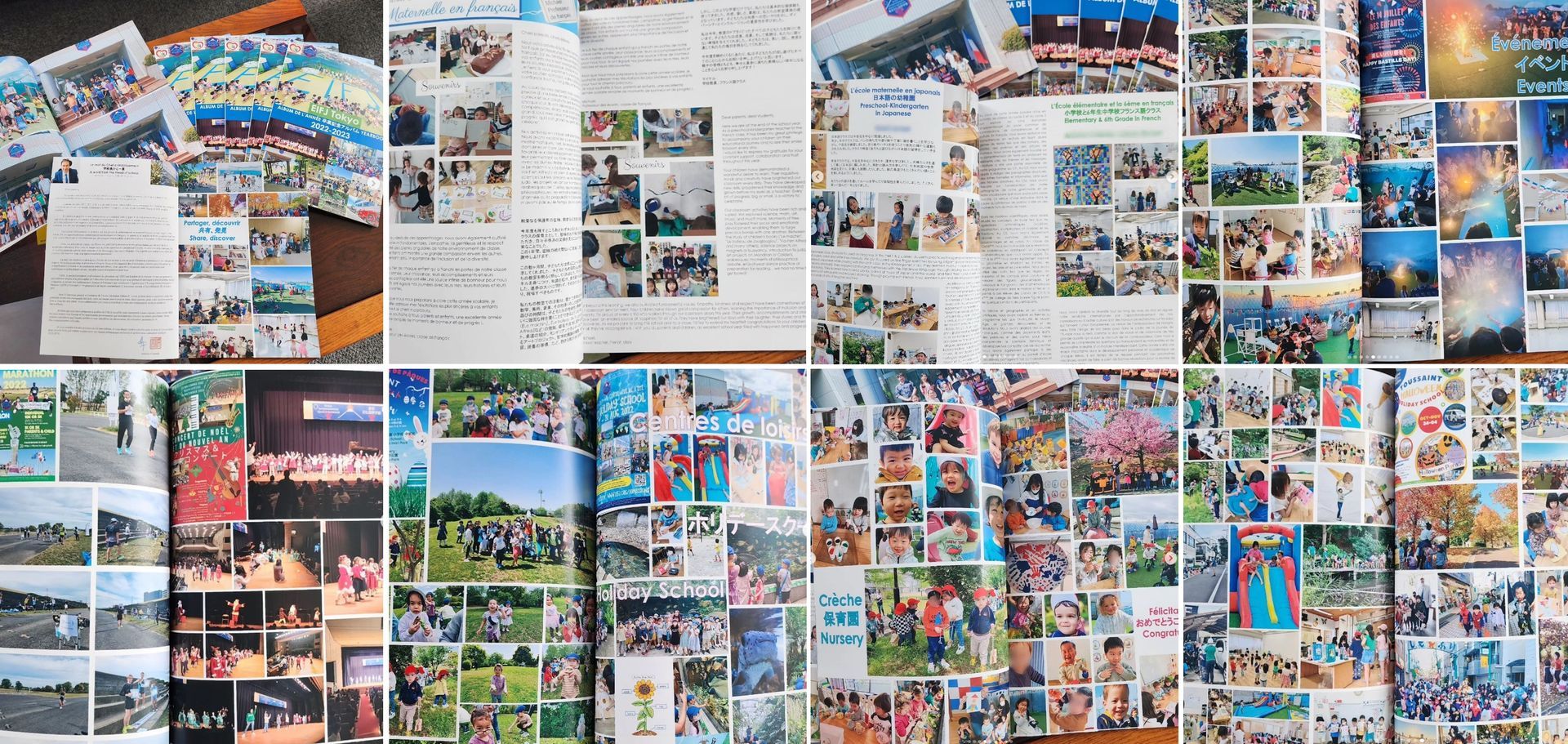
Albums de chaque année scolaire offerts à tous les élèves, 50 pages de souvenirs !
毎年度全生徒に贈られるアルバムは、50ページの思い出!
Yearbooks each year offered to all students, 50 pages of memories!